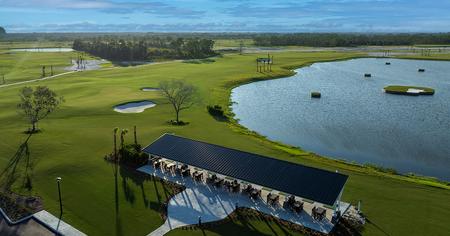
For many private clubs, the challenge is no longer convincing people that golf has value. It is making the game feel easy to enter, easy to return to and relevant to members who may want very different things from a day at the club. Glynlea Country Club’s June 17 article frames that idea around a simple premise: serious golf and a more relaxed path into the game do not have to be opposites.
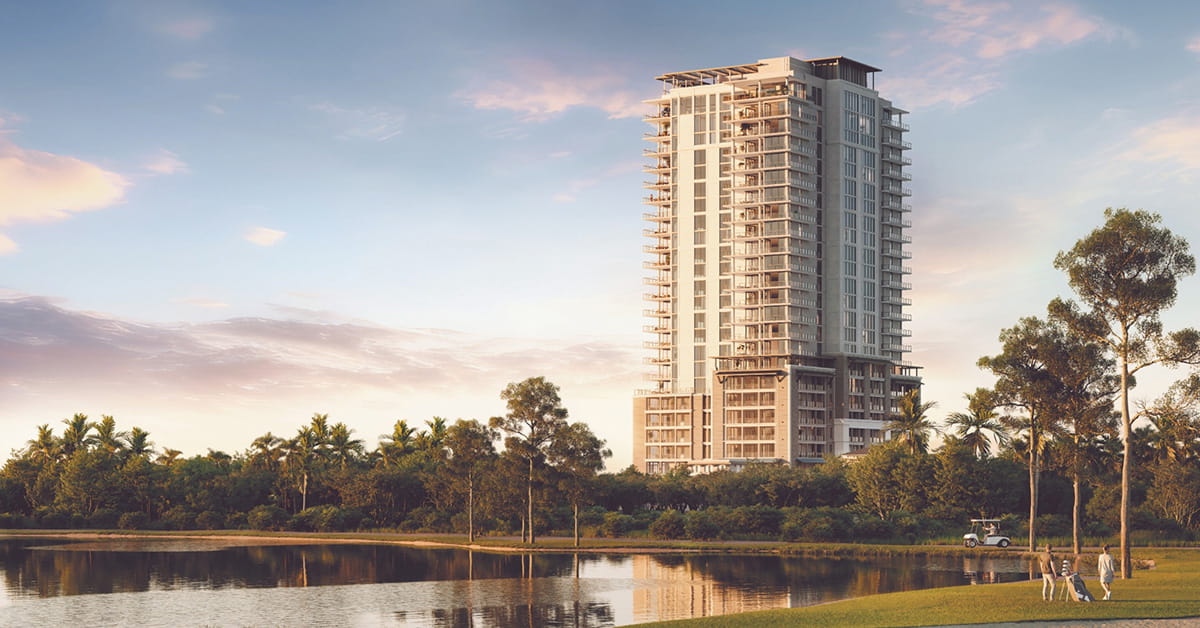
Located within the Wylder master-planned community in Port St. Lucie, Glynlea combines championship golf, racquet sports, gathering spaces and new-construction residences within one private club setting. The more interesting story is how those pieces are being arranged around participation. A dedicated golfer can treat the course as the center of club life, while someone else can engage through practice, racquet sports, dining or social time without needing to approach the club in exactly the same way.
That flexibility reflects a broader shift in the private club category. Cotton & Company’s private club industry FAQ describes today’s clubs as lifestyle-driven environments where golf, social activity, recreation and residential value increasingly work together rather than as isolated offerings.
Playability Is Part of the Design
At the center of Glynlea is an 18-hole championship course designed by PGA Tour Professional and two-time Ryder Cup Captain Jim Furyk. His involvement gives the course an immediate competitive pedigree, but the design philosophy matters just as much as the name behind it.
The source describes wide fairways, multiple tee placements and strategic options intended to give players different ways into the same hole. More accomplished golfers can still find decisions and shot-making challenges, while newer golfers and higher-handicap players have room to play without the course feeling needlessly punishing.
That balance is important because repeat play is one of the clearest tests of a club’s golf offering. A course can be memorable because it is difficult, but it can also earn loyalty by giving members reasons to return, improve, experiment and enjoy the round at their own pace. Glynlea’s model is built around the latter without giving up the former.
Golf Can Fit Into More Than an 18-Hole Round
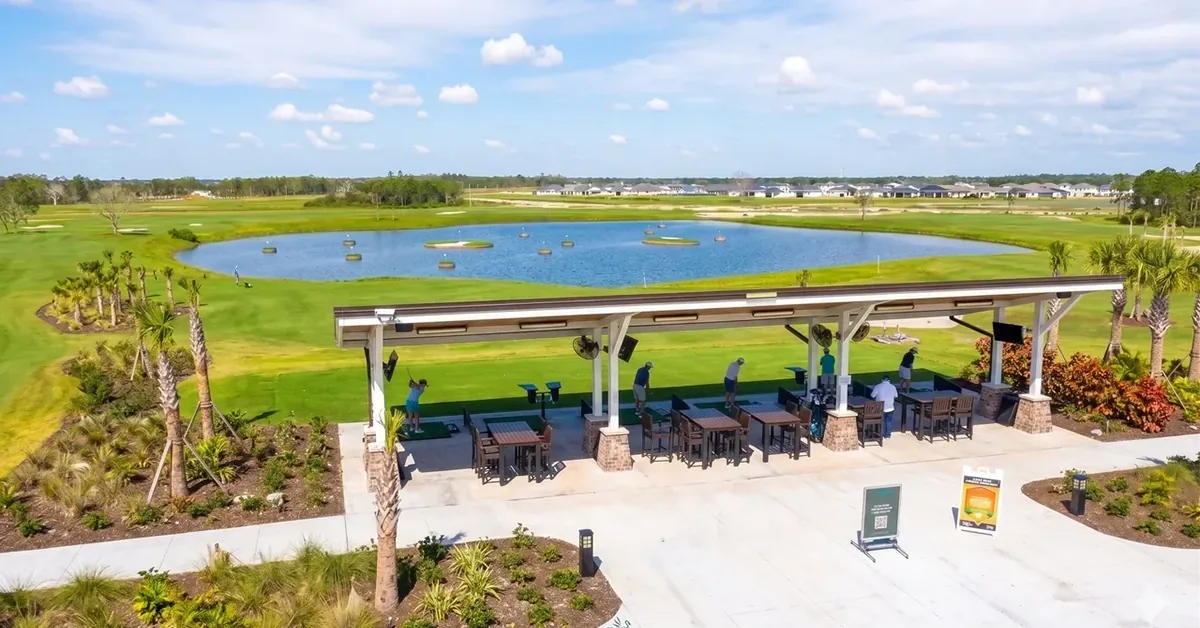
Glynlea’s Aquatic Toptracer Driving Range expands that idea beyond the championship course. The community describes it as the nation’s first aquatic Toptracer range, combining ball-tracking technology with floating target greens in a water-based setting.
For golfers focused on practice, the technology provides feedback on distance and accuracy. For casual participants, the attraction can be much simpler: hitting toward floating targets in an environment that feels closer to a shared activity than a conventional practice session.
That difference matters. Not every connection to golf needs to begin with a scorecard, a handicap or an 18-hole commitment. By giving members and guests a shorter, more informal way to interact with the game, Glynlea creates another entry point into the club’s central sport without asking everyone to participate at the same level.
Club Life Extends Beyond the Course
Golf may anchor Glynlea, but the source makes clear that it is not expected to carry the full burden of daily club life. Residents currently have access to pickleball and tennis facilities, shaded gathering areas and the Tee Box Grille food truck, which functions as a more casual place to meet and spend time around the club.
Additional amenities are planned as the community evolves, including expanded racquet facilities, a resort-style pool and an on-site restaurant. Together, those elements create more reasons for the club to be used on ordinary days, not only when a tee time is on the calendar.
That frequency of use can be as important as the breadth of the amenity list. A private club feels more relevant when its spaces support multiple rhythms across a day: recreation, a meal, practice, conversation or a social gathering. The goal is not simply to offer more activities, but to make participation easier to work into everyday routines.

One Club Can Support Different Ways to Participate
One of the strongest ideas in the original article is that people connected to the same residence do not necessarily use a club in the same way. Golf may be central for one person, while another gravitates toward racquet sports, dining, social programming or time outdoors.
Glynlea’s mix of golf, practice technology, racquet facilities and planned lifestyle amenities gives those different preferences room to coexist. The club does not have to be experienced through a single activity to feel cohesive; the common thread is the setting and the ability to move between different forms of recreation and social connection.
For residential club communities, that alignment also affects how the real estate and club story are understood together. Cotton & Company’s guidance on real estate and private club integration emphasizes presenting the residence and the club as parts of one proposition rather than as separate products. Glynlea’s amenity mix illustrates why that connection matters: the value of the setting is shaped by how many different ways the club can become part of regular life.
A More Flexible Model of Country Club Living
The source closes by placing Glynlea within a broader change in expectations around country club living. Exceptional golf still matters. So do quality homes and amenities. But the club also has to feel active, welcoming and usable beyond the traditional rituals associated with the game.
Glynlea already has visible activity across the course, Toptracer range, pickleball facilities and community gathering spaces. That gives the project something important as its residential and club program continues to develop: prospective residents can evaluate an environment that is already being used rather than relying entirely on a future promise.
That is also where sequencing becomes important for a newer private club community. Cotton & Company’s private club development and launch strategy stresses the need to align positioning, membership and real estate from the beginning. At Glynlea, the approachable golf philosophy is not a side message. It is part of the framework connecting the course, the amenities and the broader idea of how the club is meant to be used.
The takeaway is straightforward: making golf more approachable does not require making it less meaningful. Glynlea is showing how a club can protect the depth of the game while creating more ways for people to participate, return and make the club part of everyday life.