Golf is growing, but the more interesting change may be who now feels invited to participate. The game is reaching people through championship courses, technology-enabled ranges, social competition and family outings that do not all begin with the same definition of a golfer.
The National Golf Foundation reported a record 48.1 million U.S. participants across traditional and off-course golf in 2025, up 41% from 2019. Women represented 28% of on-course golfers, while off-course formats continued to give beginners and casual participants another way into the sport. Glynlea Country Club’s September 11 feature puts those national shifts into a local private-club setting, where traditional golf and newer forms of play are operating side by side.
At Glynlea in Port St. Lucie, the question is less about choosing between serious golf and accessible golf than about designing a club where both can belong. An 18-hole championship course, an Aquatic Toptracer Driving Range, racquet sports, food and social spaces give members and guests several ways to participate without requiring everyone to use the club in the same way.
A Championship Course Can Still Make Room for Different Players
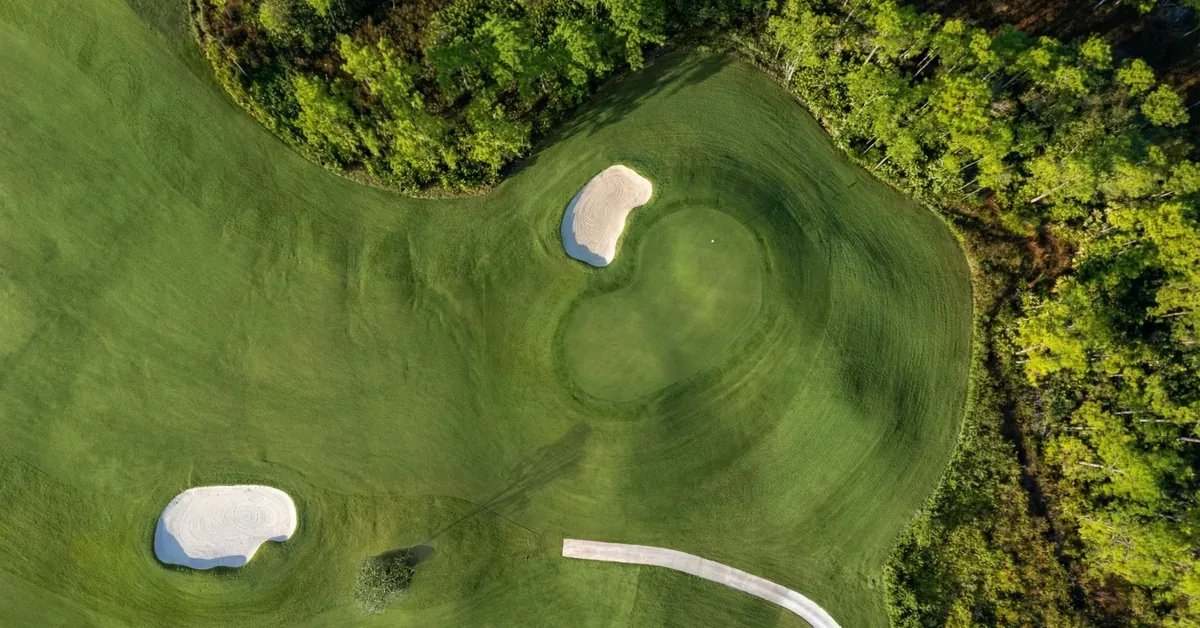
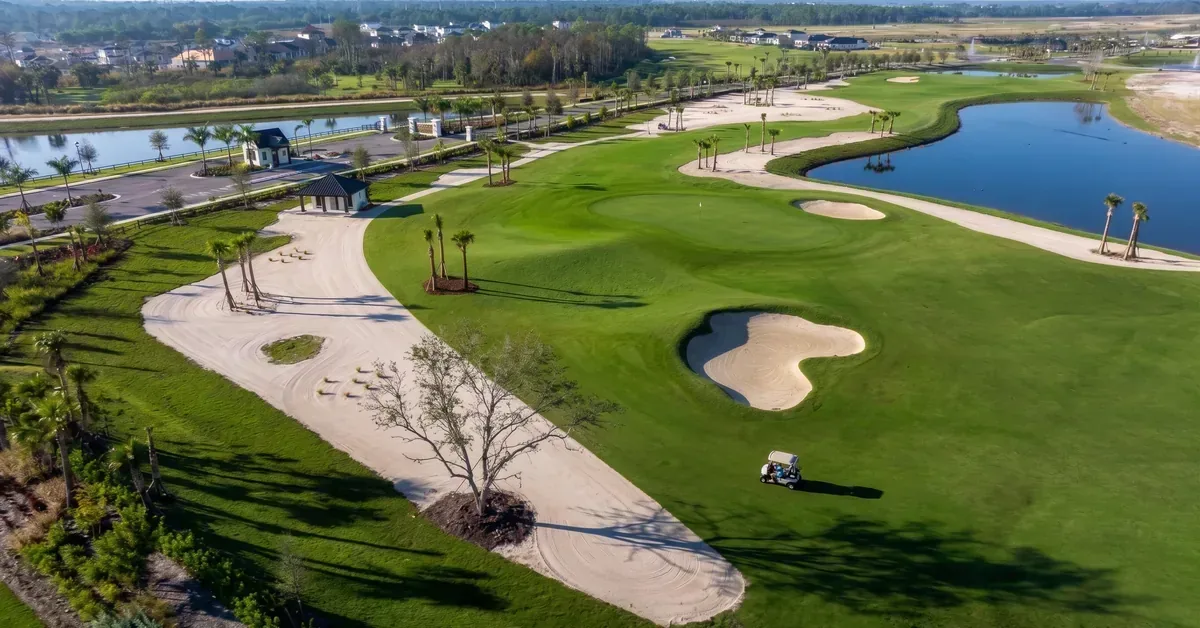
The center of Glynlea’s golf program remains its 18-hole championship course, the first solo course design by 17-time PGA TOUR winner Jim Furyk. Working with veteran architect Mike Beebe, Furyk created a par-72 layout intended to preserve strategic interest while giving players room to find a comfortable route through the course.
That balance matters as private clubs welcome players with different handicaps and different relationships to the game. Wide landing areas and multiple tee positions can make the first shot less intimidating, while bunkering, approach angles and green complexes still ask accomplished golfers to think carefully about position. Five par 3s and five par 5s add further variety to the round.
Furyk has described the course as relatively user-friendly without removing the decisions stronger players expect. That idea is visible in the way residents talk about it. Susan Sanders measures a good round partly by whether the golf balls make it home with her; her husband Chad focuses on the openness of the layout and the speed and consistency of the greens. They can play the same course and take away very different kinds of satisfaction.
For a modern private club, that is increasingly important. A course can retain credibility with committed golfers without making newer players feel that they need to reach a certain level before they belong on the property.
The Range Is Becoming Its Own Social Entry Point
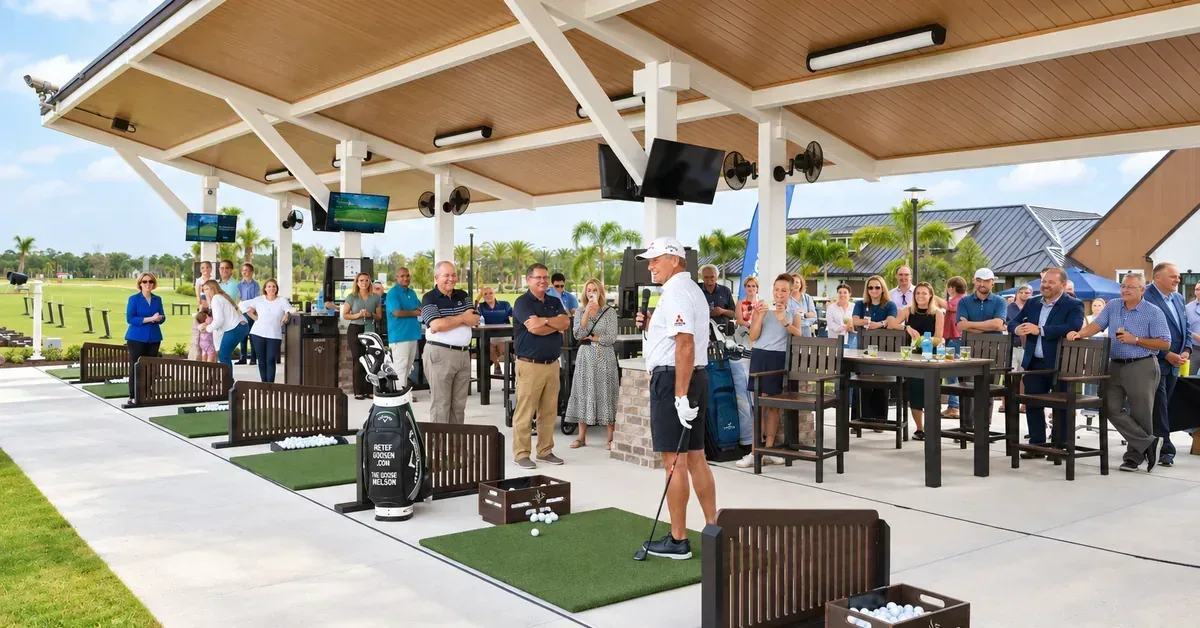
Glynlea’s Aquatic Toptracer Driving Range shows how much the definition of participation has expanded. Ten covered bays face floating targets across the water, while Toptracer technology follows each shot and supports practice data, virtual courses, games and skills challenges.
For experienced golfers, the technology can turn a range session into focused work on distance, trajectory and consistency. For someone who does not identify as a golfer, the same bays can function more like a social game. Brandie Goan, quoted in the original Glynlea story, said she does not play traditional golf, yet her family spent nearly half a day at the range and watched their younger daughter move from struggling to make contact to hitting the ball confidently.
That kind of encounter matters because it removes some of the barriers that have historically surrounded golf. A first visit does not have to involve an 18-hole round, a handicap or a long list of etiquette rules. It can begin with a few swings, a game on a screen and food nearby.
The Tee Box Grille extends that idea by making the range somewhere people can remain after the last shot. Friendly competitions and events add another layer. Practice becomes a reason to gather, and the golf facility begins functioning as social infrastructure for the club rather than only as a place to improve a swing.
Country Club Life Is Expanding Around the Game
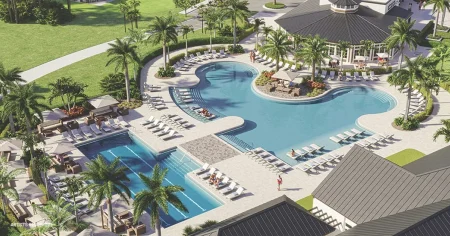
Golf still anchors Glynlea, but the activity around it offers a useful picture of where private-club life is moving. Members can play the championship course, spend time at Toptracer, use tennis and pickleball courts, meet for food or linger in shaded gathering spaces. Planned dining, fitness, aquatics and additional social areas are intended to widen that mix further as the club develops.
The point is not that every member must become more active. It is that a club can support several patterns of use at once. One person may care deeply about course architecture and green speed. Another may arrive for pickleball, lunch or an hour at the range with friends. A household can move among those choices over time without leaving the same club environment.
That broader view of participation is also part of how Glynlea has been positioned from the beginning. Cotton & Company’s work with Glynlea describes the community as a modern reimagining of the traditional country club, pairing Jim Furyk golf and technology-enabled play with a wider collection of lifestyle amenities. The agency’s broader private-club portfolio reflects the same challenge facing many clubs today: preserving what loyal golfers value while making the overall club relevant to a wider range of interests.
The result is a different measure of club vitality. Rounds played still matter, but so do the number of reasons people choose to come to the club and stay there.
The Modern Golfer May Not Look Like One Type of Person
The National Golf Foundation’s participation numbers suggest that golf’s next chapter will not be defined by a single new demographic. Growth is coming from women, younger players, beginners and people whose first meaningful interaction with the game may happen away from a traditional course.
Glynlea offers a practical example of how a private club can respond. The championship course remains central and serious enough to reward repeat play. The range creates a lower-pressure entrance. Racquet sports, dining and gathering spaces allow the property to work even for people whose interest in golf is occasional rather than defining.
That makes the club more flexible without requiring the game itself to become less demanding. The experienced golfer and the first-time participant are not competing for two different identities of the club. They are using different parts of the same one.
For private clubs watching the broader participation shift, that may be the most useful lesson. The future of golf is not necessarily about replacing the traditional golfer. It is about creating enough ways into the game, and enough reasons to remain around it, that more people can see themselves as part of the club community.
A Different Picture of the Golf Community
Glynlea Country Club is located within Wylder in Port St. Lucie, with new homes offered by Lennar, Perry Homes and Dream Finders Homes. Six designer model homes are open for prospective buyers to explore.
But from a private-club perspective, the more significant story is already visible in how the property is being used. Golfers with different abilities can share the same course. Non-golfers can become regulars at the range. Families and neighbors can move among golf, racquet sports, food and social activity without needing a single reason to belong.
As golf participation continues to broaden, clubs that can accommodate those overlapping patterns may be better positioned to remain relevant without losing the traditions that made them valuable in the first place.
To learn more about Glynlea Country Club, its golf program and the community, visit GlynleaCountryClub.com.