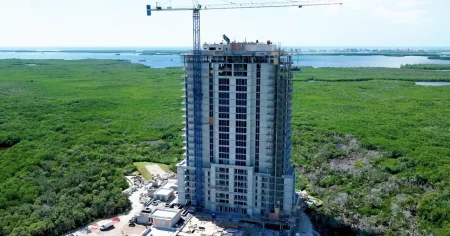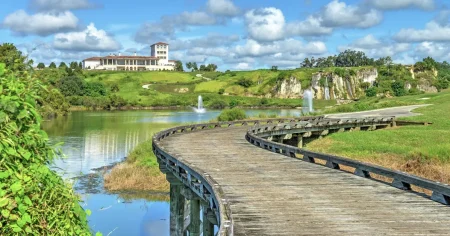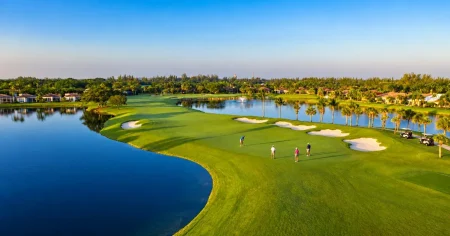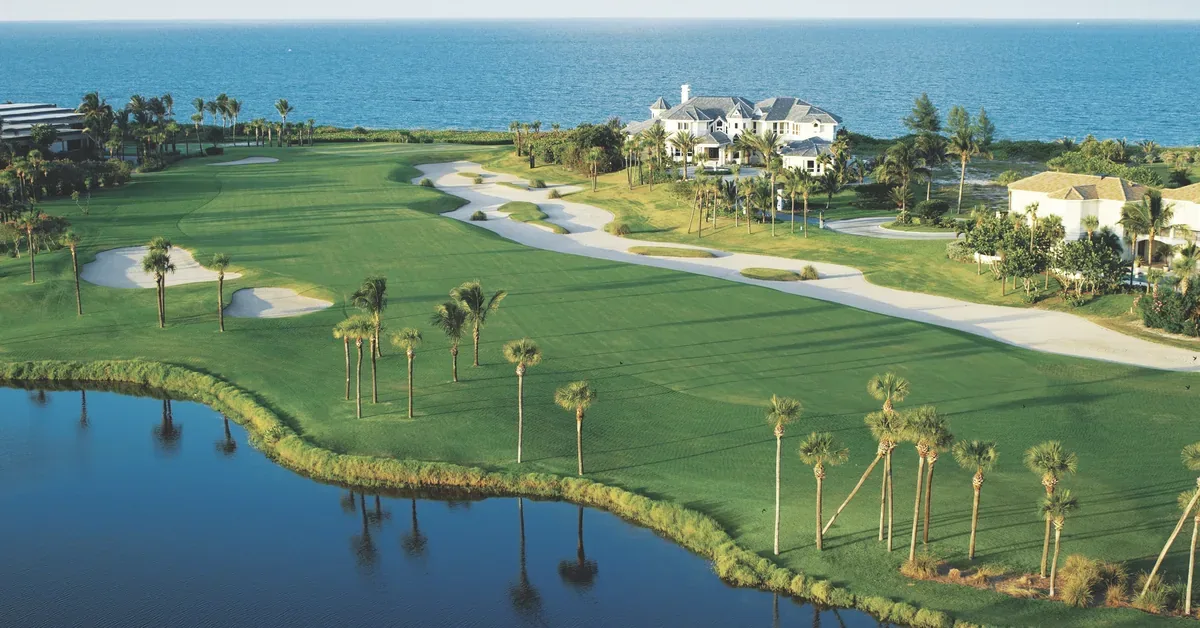
The last hole at Sailfish Point has a name that gives away its defining feature. “Window to the Sea,” the par-4 18th on the Jack Nicklaus Signature course, finishes with the Atlantic in view. The course has already spent the round moving through a coastal landscape shaped by the ocean, St. Lucie Inlet and Indian River Lagoon. But the story of this private club at the southern tip of Hutchinson Island does not end with the final putt.
Beyond the fairways are a full-service marina, oceanfront dining rooms, a beach club, a pool and an active collection of sporting and wellness facilities. They occupy different parts of the same waterfront setting. Now, in an October 2026 outline of its plans, Sailfish Point has described approximately $40 million in proposed capital improvements to its Marina, a new Vista Pool Complex, its Beach Club and Fitness Center. The interesting question is how those plans might extend the club day after golf, on the water and back ashore.
The Coast Is Part of the Course
Sailfish Point’s course was reimagined by Nicklaus Design in 2021, but its identity remains inseparable from the island. The Atlantic can appear at the edge of a fairway; elsewhere the inlet or lagoon becomes the backdrop. Coastal breezes add another variable, making the landscape part of the round rather than scenery kept safely in the distance.
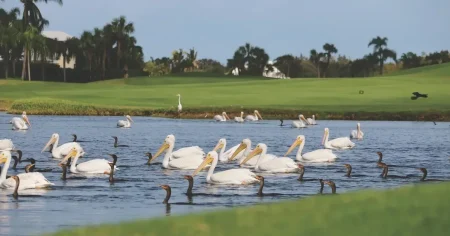
Its environmental character is just as visible. The course is designated a Certified Audubon Cooperative Sanctuary, and the original club account describes ospreys and pelicans overhead, with herons, egrets and other wading birds along the water. This is a meaningful part of what golfers encounter here, even before they reach the finishing hole. It also explains why a waterfront club’s appeal can stretch beyond the experience of playing its signature course.
Just Inside the St. Lucie Inlet
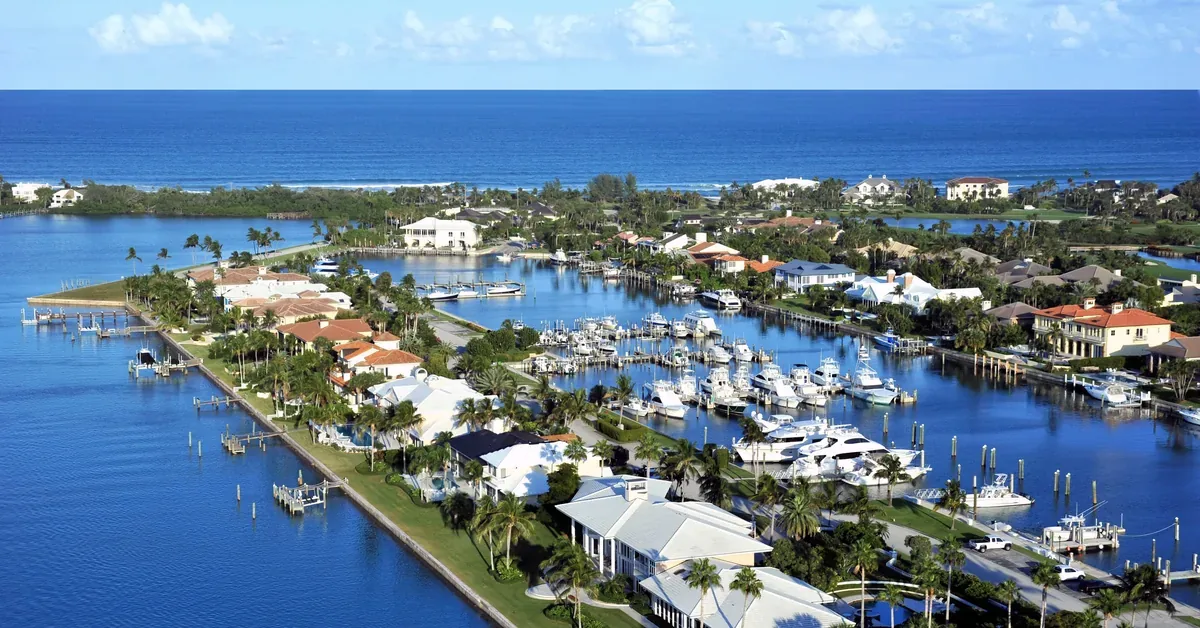
The Sailfish Point Marina sits immediately inside the St. Lucie Inlet, where boats can reach the Atlantic in minutes. Offshore fishing and coastal cruising are part of its established offering; sheltered waters on the Indian River Lagoon provide another option. Wet and dry storage and professional marina services make the waterfront operational, rather than merely scenic.
The Yacht Club adds a social dimension to boating, with activities that bring members together around fishing and time on the water. Its official description makes an important distinction: members do not need to own a boat to join the Yacht Club. That widens the role of the marina beyond the people who keep a vessel there.
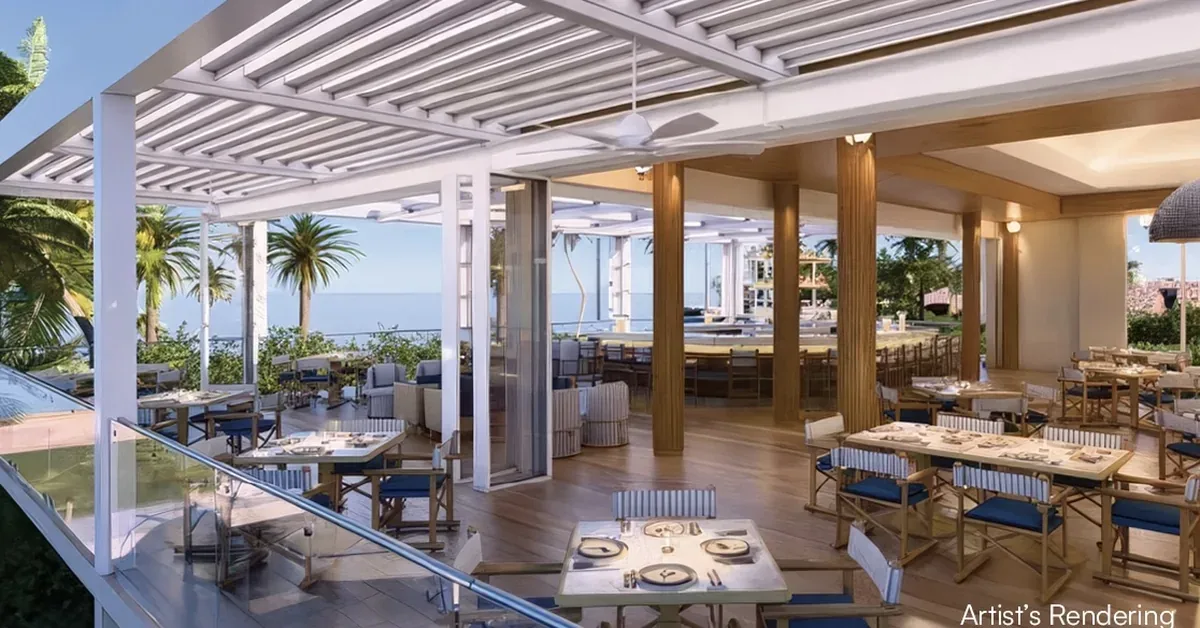
The proposed improvements would push that idea further. An indoor-outdoor dining and gathering venue is envisioned for the marina, offering a reason to spend time at the waterfront even when no one is heading out through the inlet. It would be a new social use for a place already defined by movement to and from the water—not an existing facility, and not yet a documented change in how members use the club.
A Reason to Stay Ashore
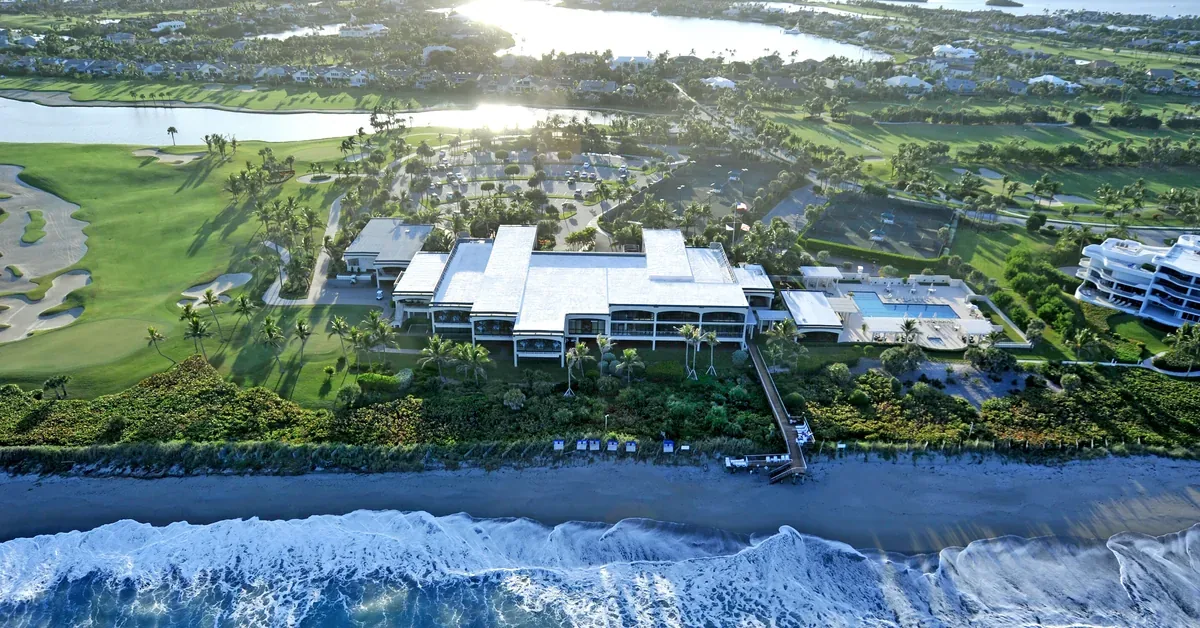
At the Oceanfront Clubhouse, the waterfront is already part of dining and leisure. The existing pool and beach access sit near familiar gathering places, including the Ocean Room, Terrace Grille and Beach Club. Their relationship to the Atlantic gives the club more than one setting for a meal or time with friends after a round.
The Waterfront on the Drawing Board
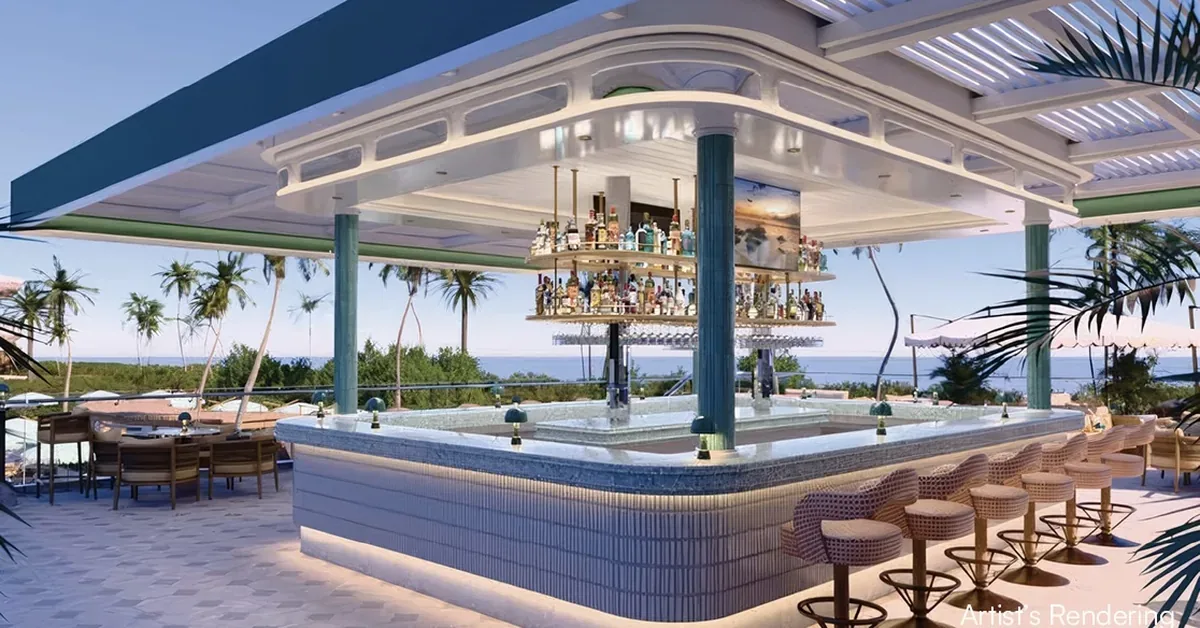
The planned Vista Pool Complex would add poolside dining and gathering areas. Its concept includes a rooftop lounge with a bar and patios oriented toward the ocean. Separate Beach Club enhancements would refresh dining interiors, improve sightlines and introduce more flexible areas for meals, music and gatherings. These are proposed changes; the renderings accompanying the original announcement show design intentions, not completed spaces.
Together, the concepts suggest where the club sees opportunities to make its shoreline more usable. A new vantage point is appealing, but the more substantive element is the variety of settings the proposals could provide, from an informal stop after golf to a longer gathering by the water. Until the work is delivered and in use, the proposal remains a description of possibilities rather than evidence of member participation.
A Smaller Detail in a Larger Plan
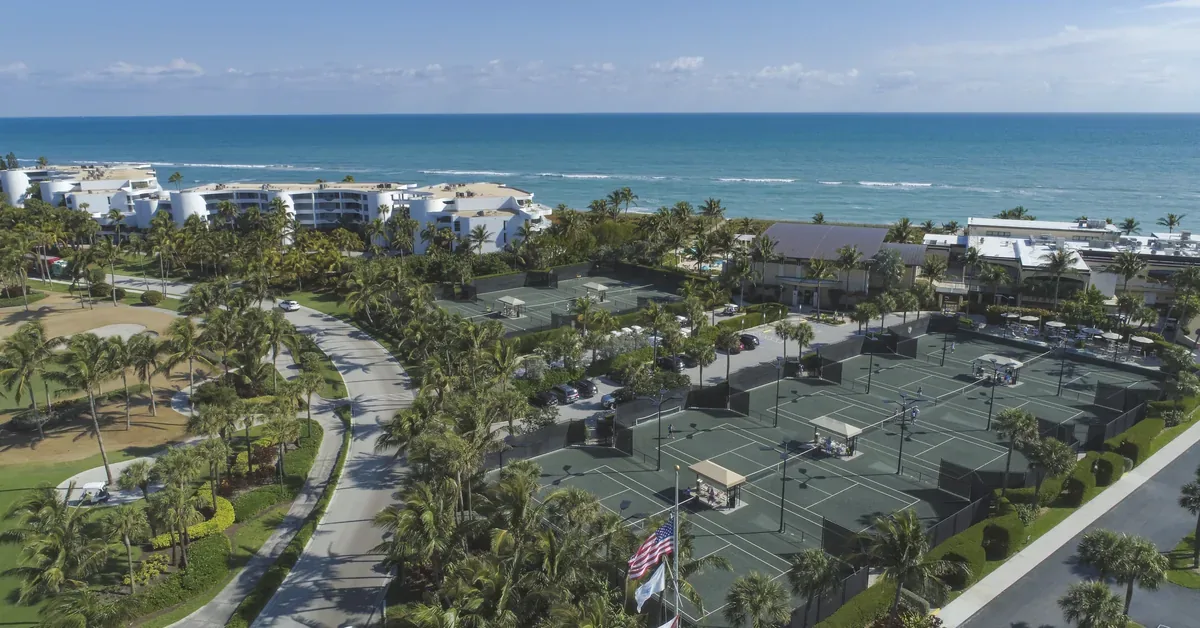
Sailfish Point’s recreation extends beyond the pool and marina. Its Fitness Center offers strength and cardio equipment, personal training and group classes such as yoga and Pilates. Tennis and pickleball courts add other ways to spend time outdoors, while beach access offers a different pace entirely. These existing facilities help explain why the golf course is part of a broader club routine rather than an isolated attraction.
Under the capital proposal, Fitness Center improvements would expand training and studio space while seeking to preserve ocean views from the second-floor cardio area. It is a smaller detail than the marina or pool concepts, but a revealing one: even inside a workout space, the landscape remains an explicit consideration in the design.
The Island Behind the Investment
In a residential club community with single-family homes, condominiums and townhomes, the connections among activities matter at least as much as the individual facilities. Sailfish Point’s distinguishing feature is already fixed on the map: the Atlantic on one side, the St. Lucie Inlet nearby and the Indian River Lagoon shaping the other waterfront perspectives. No capital program can manufacture that setting.
What the proposed work could change is how the setting is encountered. The source describes a roughly $40 million proposal but does not establish that every element is approved, under construction or scheduled to open. If the plans proceed, the most revealing changes may happen beyond the last green: at the marina when no boat is leaving, along the beachfront where a meal can become a longer gathering, and in everyday spaces designed to keep the coastline in view.