Environmental credentials can be easy to announce and much harder to sustain. At Orchid Island, the golf course first earned Certified Audubon Cooperative Sanctuary status in 2005. More than 20 years later, that certification remains part of the Club’s operating story.
The distinction matters because Audubon International does not treat certification as permanent. Its Cooperative Sanctuary Program requires properties to document environmental management practices and complete recertification every three years. Orchid Island’s September 4 update offers a closer look at what that long-term commitment means on the ground.
A Golf Course Connected to Its Surroundings
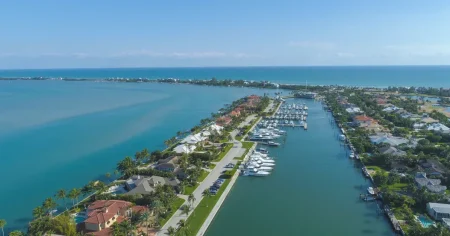
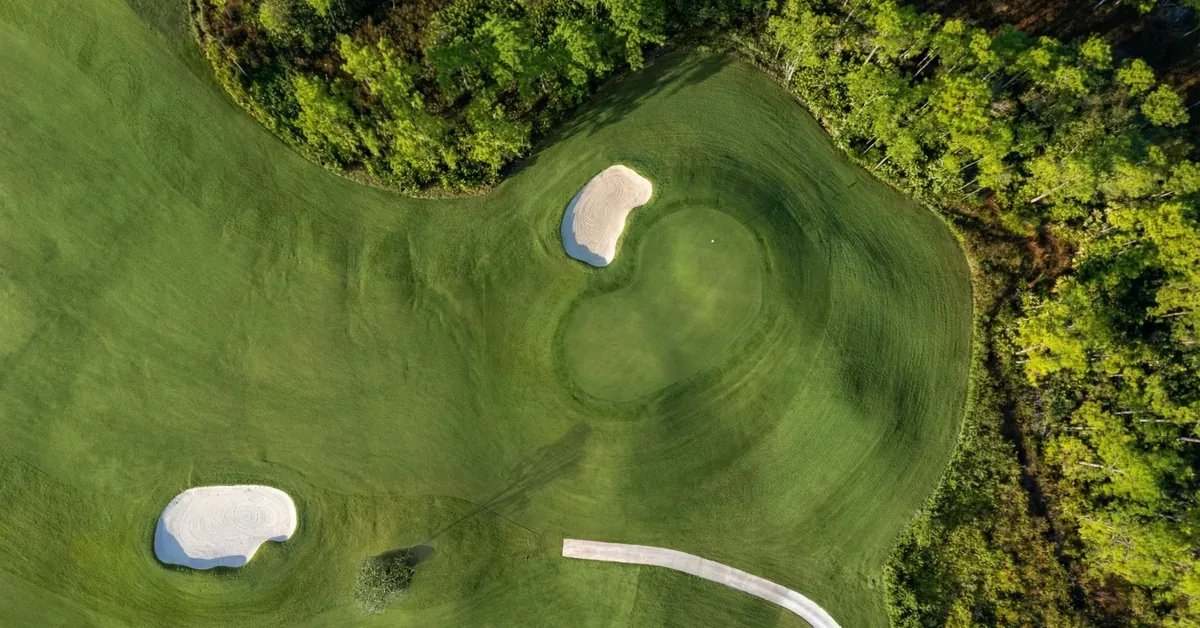
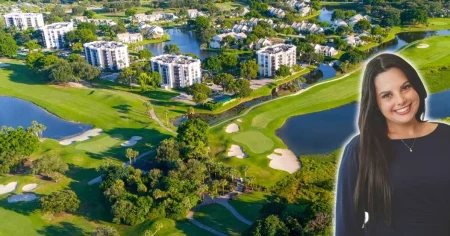
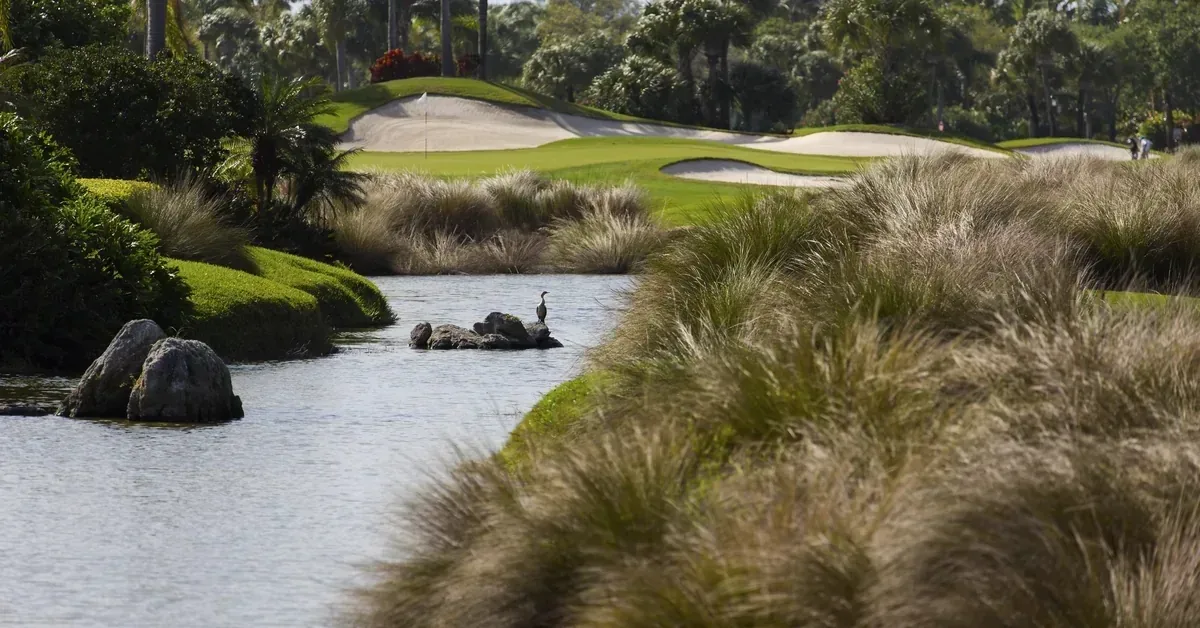
Orchid Island’s Arnold Palmer-designed course sits within a barrier-island setting between the Atlantic Ocean and the Indian River Lagoon. Ponds, native areas and maintained turf all occupy the same landscape, which means course operations inevitably intersect with water and wildlife.
General Manager and COO Rob Tench has emphasized the importance of keeping waterways clean, while Golf Course Superintendent Matthew Boyd has overseen practices that include pond-edge buffers, careful fertilizer use and butterfly gardens. Those choices align directly with the kinds of standards Audubon International evaluates, including water quality, water conservation, wildlife habitat and chemical-use reduction.
For private club communities, this is where environmental stewardship becomes tangible: not as a separate initiative, but as part of the way the course is maintained each day.
Wildlife Is Part of the Course, Not Outside It
Audubon International includes wildlife and habitat management among the six core areas used for golf-course certification. At Orchid Island, that makes the spaces beyond the fairways and greens especially important.
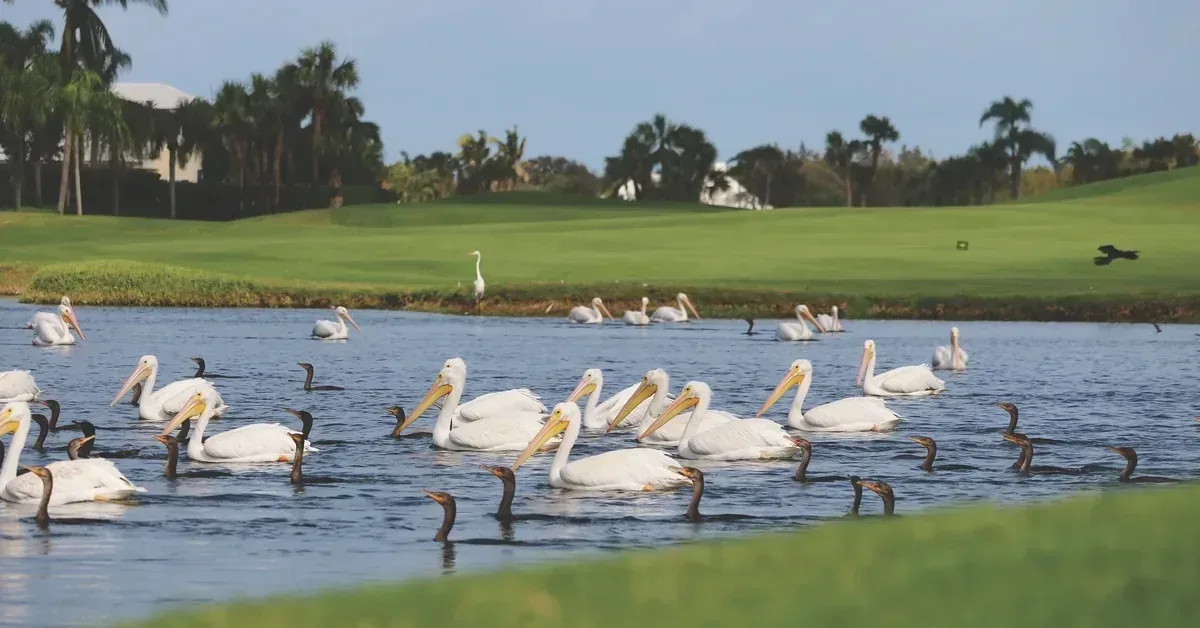
Ponds, shoreline buffers, native vegetation and butterfly gardens create habitat alongside playable areas. Pelicans, other waterbirds and otters are among the wildlife members may encounter around the course, but those visible moments are only the surface of a broader management approach.
The same relationship between recreation and natural landscape is increasingly important in the way Florida private club communities are presented to prospective members and buyers. When natural features are part of the setting, maintaining them becomes part of maintaining the character of the community itself.
The Most Important Work May Be Invisible
Some of the clearest examples of environmental management happen far from a golfer’s view. One project documented by Orchid Island involved an equipment wash-water recycling system overseen by Boyd.
The system was designed to conserve water, separate grass clippings, filter organic contaminants and contain used wash water so it could be reused for cleaning equipment instead of being discharged. The goal was practical: reduce the potential for pollutants from maintenance operations to reach the stormwater drainage system.
That kind of behind-the-scenes investment helps explain why long-term certification is more meaningful than a one-time designation. Environmental performance depends on routine operating systems, staff practices and documentation that continue year after year.
What Audubon International Requires
For golf courses, the Cooperative Sanctuary framework addresses six environmental categories: environmental planning; wildlife and habitat management; chemical-use reduction and safety; water conservation; water-quality management; and outreach and education.
Certification requires implementation and documentation, not simply a statement of intent. Audubon International may review written and photographic materials supporting management practices, and the organization requires recertification every three years to confirm that certified properties continue to meet program standards.
That continuing review is what gives a 20-plus-year record its significance. The course has had to keep the environmental program active through changing maintenance cycles, staff responsibilities and evolving operating practices.
Consistency Is the Real Measure
Orchid Island’s certification in 2005 established that the Club met Audubon International’s requirements at that point in time. Remaining certified more than two decades later reflects something different: consistency.
Pond buffers, habitat areas, butterfly gardens, water-management decisions and equipment-cleaning systems may each seem like individual measures. Taken together, they show how environmental stewardship can become part of the operating discipline of a private golf club.
For homeowners and prospective buyers, that matters because the golf course is more than a recreational amenity. It is part of the views, waterways and natural landscape experienced across the community. In a market where private club marketing increasingly has to communicate the full setting around the real estate, a long-running third-party environmental certification provides a concrete way to understand how that setting is being managed.
More than 20 years of Certified Audubon Cooperative Sanctuary status does not mean the work is finished. The program is designed around continued action, documentation and periodic review. At Orchid Island, the lasting distinction is not simply that the golf course earned certification in 2005. It is that environmental planning has remained part of the Club’s approach long enough for the practices behind the designation to become part of the landscape itself.
To explore residences currently available at Orchid Island, visit OrchidIslandFL.com or contact Orchid Island Realty at 772-388-3888.