
CCM, CCE, CMAA Fellow
Florida private clubs enter 2026 from a position of strength, but strength does not make leadership easier. Membership demand remains healthy at many clubs, capital investment continues across golf, wellness, dining and recreation, and club communities remain important drivers of residential value. At the same time, the decisions confronting general managers, chief operating officers and boards are becoming more interconnected, more visible and more consequential.
The leadership challenge is no longer simply to run an excellent operation. Today’s executives are balancing labor pressure, insurance costs, member expectations, governance, capital priorities, technology, food and beverage economics, real estate and an increasingly complicated digital environment. Each issue affects the others. A staffing decision can influence service. A capital decision can influence member confidence. A digital visibility decision can influence the next generation of membership and real estate demand.
That broader view is central to the Private Club Group alliance and to the industry framework outlined in Cotton & Company’s Private Club Marketing Guide. The following ten challenges reflect the issues most likely to define Florida private club leadership in 2026 and the years immediately ahead.

1. Talent Remains the Club’s Most Important Competitive Advantage
Florida clubs continue to invest heavily in facilities, technology and amenities, but none of those investments can deliver their full value without the people responsible for the member experience. Recruiting remains difficult in hospitality. Retaining strong employees is often harder. Compensation matters, but so do culture, leadership credibility, advancement, scheduling, training and whether employees believe there is a future for them within the organization.
The scale of the member experience at clubs such as Boca West Country Club makes the point clearly: dining, golf, wellness, aquatics, racquet sports and hundreds of annual events all depend on people who can deliver service consistently. The Private Club Report has also noted how staff attentiveness and service discipline shape perceptions of operational competence. That is why talent strategy belongs in the same conversation as member satisfaction, retention and long-term club value.
Leadership takeaway: Clubs that build exceptional employee experiences create the strongest foundation for exceptional member experiences.

2. Insurance Has Become a Strategic Planning Issue
Insurance is no longer a line item that can be isolated inside the annual budget. Property coverage, liability protection, workers’ compensation, directors and officers coverage and weather-related exposure now influence reserve planning, project timing, risk management and long-term financial decisions. In Florida, where clubs may manage significant clubhouse, golf, waterfront, landscaping and residential infrastructure, the implications can reach well beyond premium increases.
Boards and management teams increasingly have to evaluate risk in the same conversation as capital investment. That means understanding replacement values, deductibles, coverage gaps, reserve capacity and how much financial flexibility remains when several major obligations arrive at once. The strongest clubs will treat insurance as part of enterprise planning rather than an annual renewal exercise.
Leadership takeaway: Managing risk has become inseparable from managing the club’s long-term financial position.

3. Member Expectations Are Diversifying at the Same Time
Private clubs increasingly serve members with very different routines, interests and expectations. Some value long-standing traditions and familiar programming. Others prioritize wellness, racquet sports, technology, flexible dining, social events and more spontaneous ways to use the club. The leadership challenge is not to choose one version of the member experience. It is to build enough range that the club remains coherent while giving members multiple ways to engage.
The expansion of amenity categories across Florida clubs—from golf and dining to bocce, pickleball, aquatics and wellness—illustrates how the definition of club value continues to broaden. The management task is to understand which investments deepen participation and community rather than simply adding more programming for its own sake.
Leadership takeaway: The strongest club cultures make room for different preferences without losing a clear sense of identity.
4. Capital Planning Requires More Discipline Than Ever
Private clubs have completed an extraordinary cycle of reinvestment. Clubhouses have been rebuilt or modernized, golf courses renovated, aquatics campuses expanded, racquet facilities reimagined and wellness spaces enlarged. Members have often supported those projects because they could see the need and understand the value. The next phase may be more difficult. As project lists grow, leadership teams are confronting capital fatigue and sharper questions about sequencing, funding and necessity.
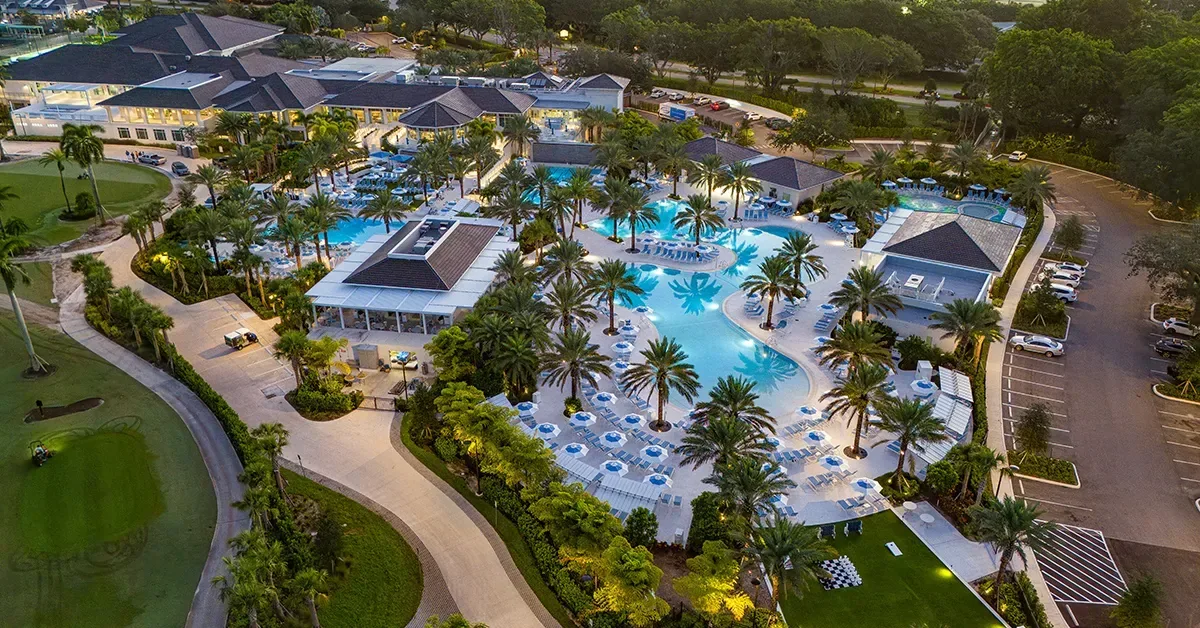
Boca West’s continuing reinvestment, including the Aquatics Center and broader lifestyle campus, is one visible example of the scale at which leading clubs are evolving. At The Club at Quail Ridge, a multi-year reinvestment strategy demonstrates the importance of governance alignment, financial modeling and clear communication before construction begins.
Leadership takeaway: Strategic master planning matters most when members are deciding not whether to invest, but which investments deserve priority and why.
5. Governance Still Separates Strong Clubs from Struggling Ones
Experienced general managers consistently return to governance because it determines whether the rest of the organization can move with clarity. Strong governance establishes roles, decision rights, accountability and a shared direction between the board and management. Weak governance creates overlap, second-guessing and inconsistent priorities, even when the club has talented people and adequate resources.
The current Private Club Group advisory model led by William Langley is built around that connection between governance and operations. Current Private Club Report coverage of Boca West Country Club likewise points to governance and management as central to the club’s operating strength. The lesson from successful club environments is straightforward: disagreement is not the problem. The problem is allowing disagreement to operate without a disciplined framework for decisions, communication and execution.
Leadership takeaway: Leadership alignment remains one of the clearest indicators of whether a club can execute its strategy over time.
6. Food and Beverage Must Balance Hospitality With Economics
Member expectations for dining have moved steadily toward restaurant-quality experiences, while the operating side of food and beverage has become more difficult. Labor costs, food pricing, scheduling, service standards and changing dining habits all place pressure on a model that members still experience as one of the most personal parts of club life.
At clubs such as Boca West Country Club, where dining is part of a much broader lifestyle offering, food and beverage is not simply a revenue center; it is a recurring social touchpoint that helps shape how members experience the club. That makes menu engineering, staffing, venue identity and operating efficiency strategic questions rather than purely culinary ones.
Leadership takeaway: The future of club dining belongs to operations that protect hospitality standards while managing cost and complexity with discipline.

7. Technology Is Now Part of the Member Experience
Technology is no longer confined to the accounting office or IT department. Members experience it through reservations, event registration, communications, payments, fitness platforms, golf technology and increasingly sophisticated recreational amenities. Convenience now influences how service is judged, even in organizations that rightly place personal relationships at the center of the member experience.
The challenge is not to adopt every new platform. It is to choose tools that remove friction without making the club feel transactional. At Hideaway Beach Club, experiences such as indoor golf simulators sit alongside racquet and social amenities, a useful reminder that technology is increasingly part of recreation itself as well as club administration.
Leadership takeaway: The best technology makes the club easier to use while preserving the personal service that gives membership its value.

8. Club Operations and Community Real Estate Are Increasingly Connected
In residential club communities, the line between club performance and real estate performance has become increasingly difficult to separate. New ownership changes the membership pipeline. Renovation activity influences community presentation. Housing inventory affects the pace at which new members enter. Club programming, governance, amenities and service standards influence how prospective buyers interpret long-term value.
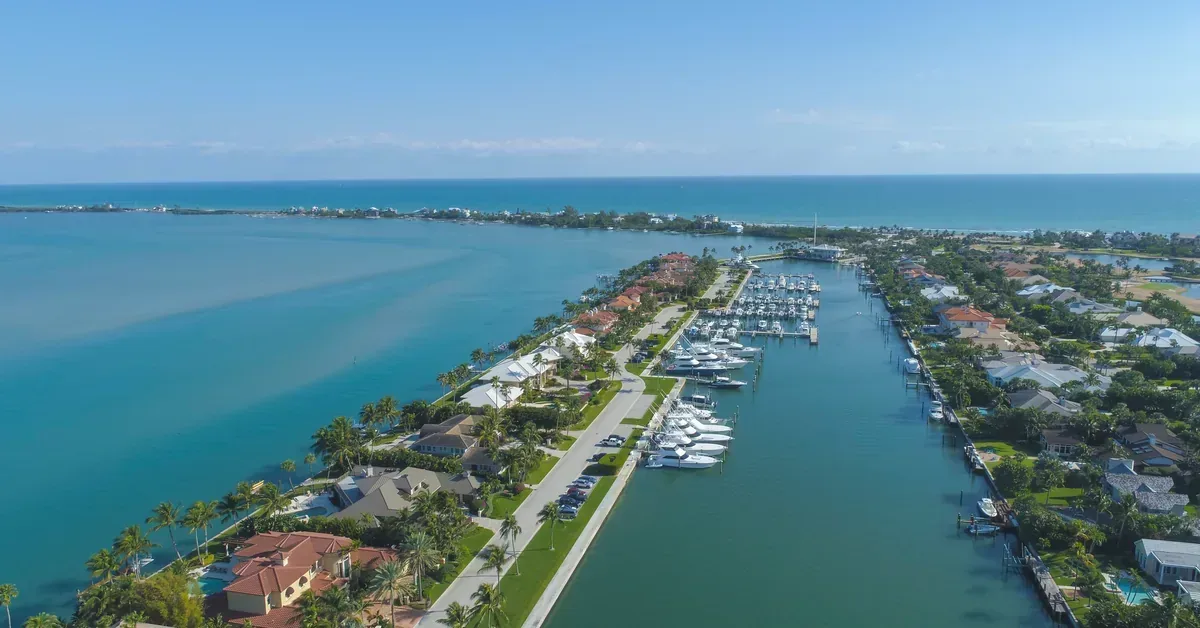
That interdependence is visible in communities such as Glynlea Country Club, where the golf and residential environment are planned as part of a larger community proposition, and in established clubs where on-site real estate operations have become a strategic tool. Private Club Group has examined this shift in its coverage of on-site real estate operations, while Cotton & Company outlines the broader strategy in its Real Estate & Private Club Integration guide. Cotton’s work with Sailfish Point is another example of club lifestyle, community positioning and real estate visibility working together.
Leadership takeaway: The healthiest residential club communities treat club performance and community performance as parts of the same strategic equation.
9. Digital Visibility Is Becoming a Leadership Responsibility
Private clubs historically relied on reputation, member referrals and local relationships. Those channels still matter, but the research process now begins much earlier. Prospective members, homebuyers, employees and other stakeholders increasingly form an opinion online before a direct conversation begins. Artificial intelligence is accelerating that change by interpreting public information and presenting a condensed view of which clubs appear relevant, credible and understandable.
The Private Club Report has already examined the risk created when club websites were built primarily for member service rather than public discovery. Cotton & Company’s AI Visibility practice and Content & Media Strategy for Private Clubs address the same issue from an execution standpoint: clubs need clear, structured, useful information that allows both people and emerging search systems to understand the organization accurately.
This is not a call for private clubs to abandon discretion. It is a leadership question about whether the club’s public presence accurately communicates its identity, quality and relevance to the people already looking for it.
Leadership takeaway: Digital presence is no longer only a marketing concern; it is part of how the market understands the club before leadership ever has the opportunity to tell its story directly.

10. The General Manager Role Keeps Expanding
Perhaps the defining challenge is the breadth of the job itself. Today’s general manager or chief operating officer may be expected to lead operations, manage financial performance, advise the board, oversee capital planning, strengthen culture, communicate through change, understand technology, support membership strategy and recognize how the club influences the surrounding community.
That scope demands a different kind of executive discipline. Leaders cannot personally own every specialty, but they must understand enough to connect them. Langley’s career across major club environments and his current work within Private Club Group’s advisory platform reflect the growing need for management teams to operate across governance, operations, capital and community strategy rather than treating those areas as separate conversations.
Leadership takeaway: The strongest club executives will be the leaders who can translate complexity into priorities, alignment and consistent action.

Looking Ahead: Strong Markets Still Require Strong Leadership
Florida remains one of the most dynamic private club markets in the country. Demand, investment and community evolution continue to create opportunity. But the next decade will not be defined only by who has the newest clubhouse, the largest capital plan or the longest waitlist. Those advantages matter less if leadership cannot maintain alignment, communicate clearly and anticipate where member expectations and market behavior are moving.
The common thread across these ten challenges is strategic discipline. Clubs need to invest in people, understand risk, sequence capital intelligently, strengthen governance, manage hospitality economics, use technology deliberately and connect the member experience to the broader market. Cotton & Company’s Private Club Marketing Strategy framework reinforces that same idea from the market-facing side: positioning, visibility and membership execution work best when they are aligned rather than handled as isolated initiatives.
Leadership takeaway: The clubs most likely to lead the next decade will be those whose leadership teams anticipate change early enough to shape the response rather than simply react to it.
A Private Club Group Perspective
The challenges facing private clubs rarely exist in isolation. Governance influences operations. Operations shape member satisfaction. Member satisfaction affects reputation and community confidence. In residential club settings, those perceptions can influence real estate demand, membership vitality and long-term financial strength. The same relationships appear in Florida and in club markets across the country.
That is why Private Club Group approaches the industry through an integrated lens spanning advisory, operations, marketing, AI visibility and real estate strategy. The group’s work with clubs and communities is complemented by Cotton & Company’s long-standing assignments in markets such as Bay Harbor, Boca West and Sailfish Point. The objective is not to treat every issue as a marketing problem, a governance problem or a real estate problem. It is to understand how those disciplines affect one another and help leadership teams make better decisions because of that connection.
Leadership takeaway: Meaningful leadership begins when clubs stop treating interconnected challenges as isolated problems and start managing them as one strategic system.