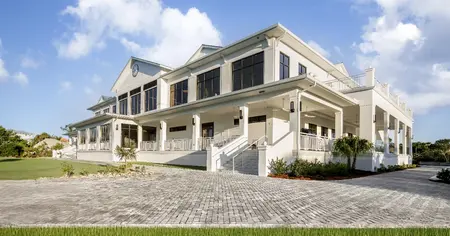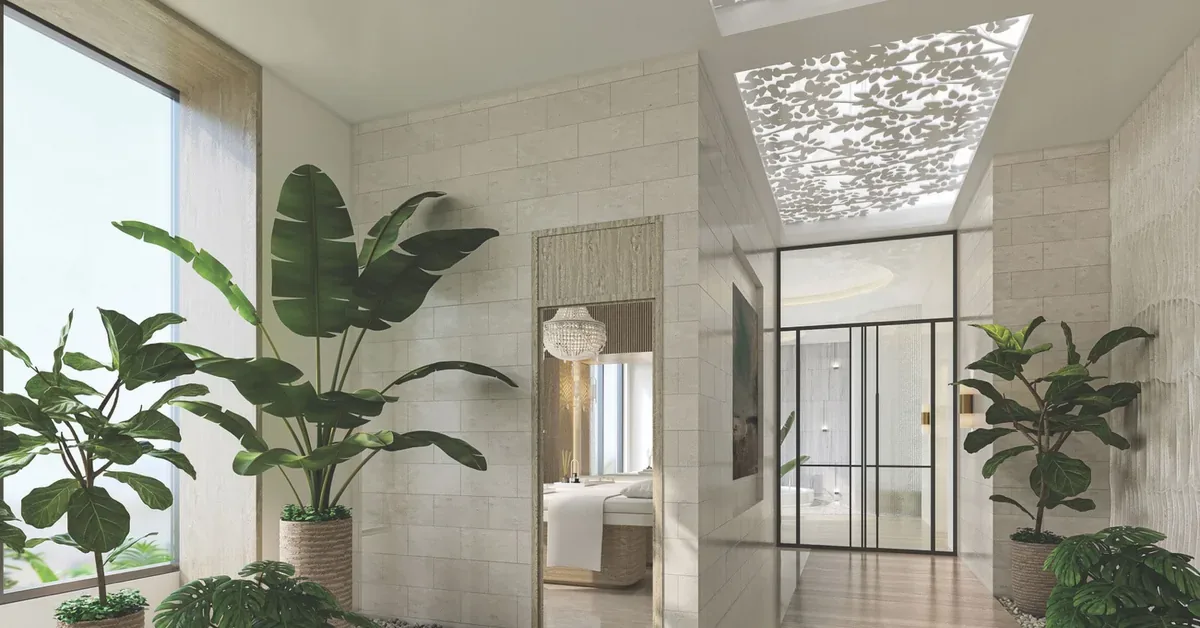
Private clubs have traditionally built their identities around membership, shared interests and a sense of belonging developed over generations. At The Harbor Club at The Ritz-Carlton Residences, Sarasota Bay, a different approach is emerging—one that brings the personalized hospitality of The Ritz-Carlton into a private residential club designed to make exceptional experiences part of everyday life.
Encompassing more than 20,000 square feet of planned club facilities, The Harbor Club combines sophisticated wellness environments, waterfront recreation, private culinary experiences and a dedicated service and activities program. Its defining feature, however, may be the relationship between residential ownership and club membership.
Unlike traditional private clubs where joining is a separate decision, membership at The Harbor Club begins with homeownership. The opportunity is to build upon that foundation with the personal relationships, traditions and shared experiences that give a private club its enduring character.
Ownership Creates Access. The Club Has to Create Belonging.
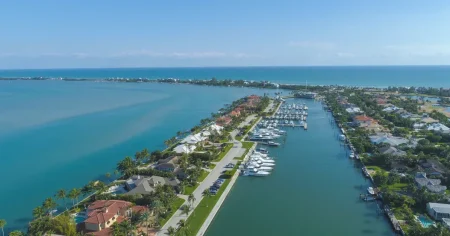
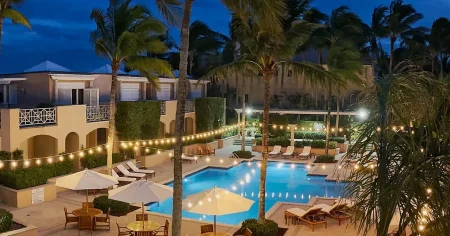
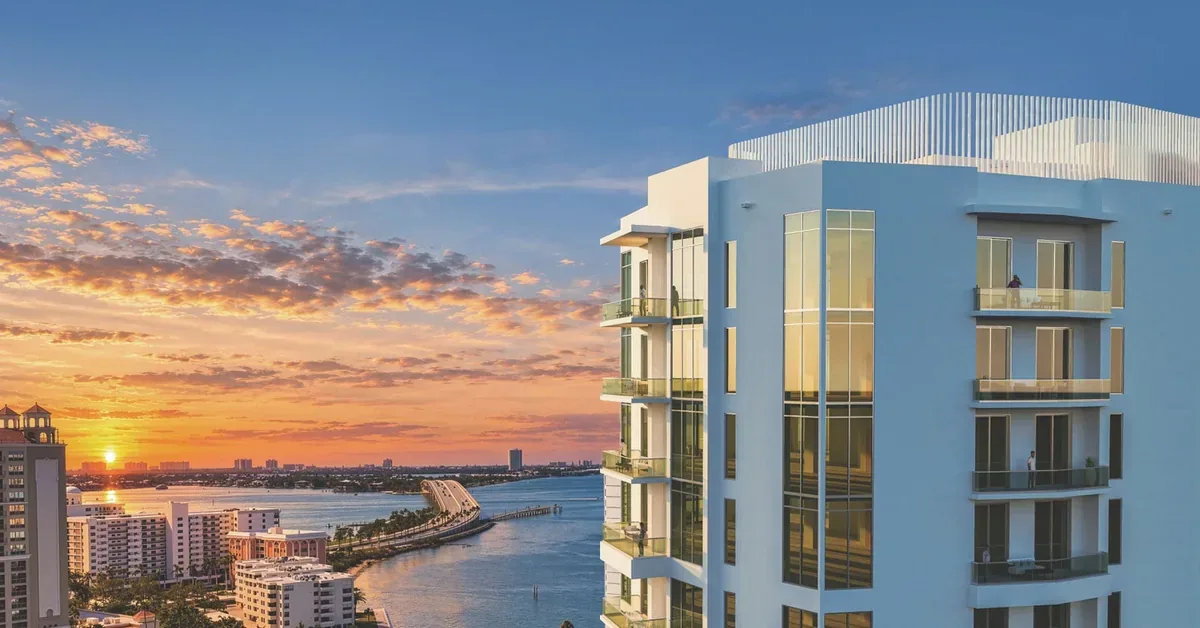
Project materials describe The Harbor Club as a member-owned private club planned across the lower levels of the South, West and East towers. Its facilities are intended to serve residents across the Sarasota Bay residential campus, while individual towers will maintain private amenities reserved for their own owners.
The result is two distinct layers of experience: the residential building and the broader club community.
That differs from the traditional country-club or city-club model, where membership typically begins with a separate application or joining decision. At The Harbor Club, access begins with residential ownership.
For the club industry, the important implication is not simply that the development has a built-in membership pipeline. It is that ownership and belonging are not the same thing. The club will still have to develop habits, traditions and programming strong enough to give residents a reason to see themselves as members of something larger than the building where they live.
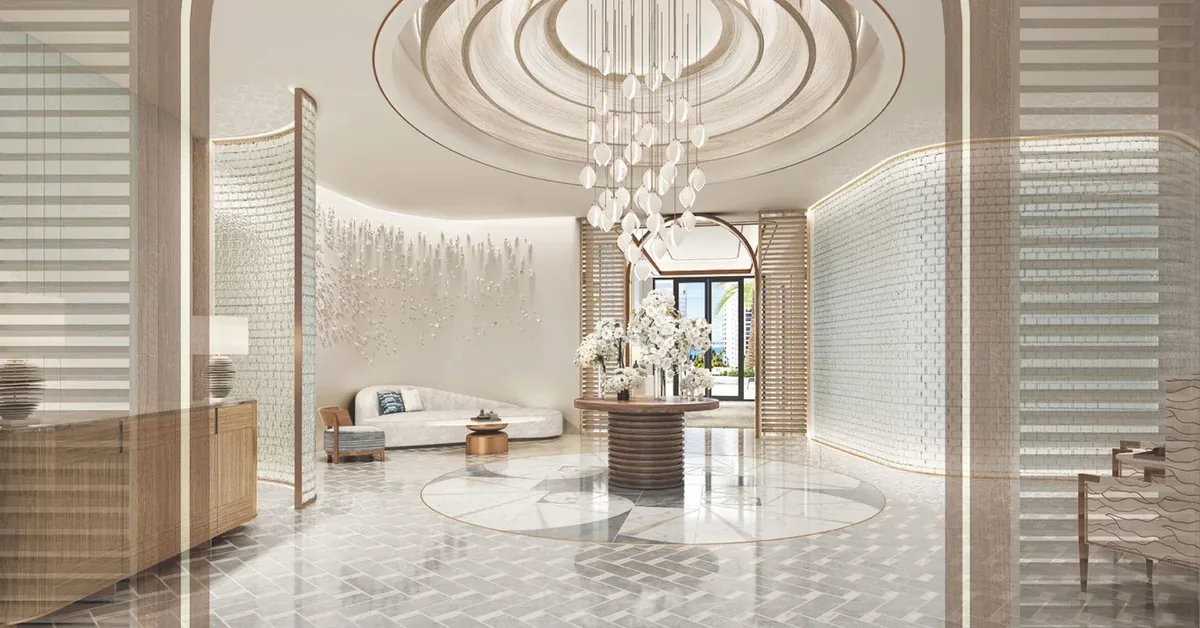
Service Becomes More Than Hospitality
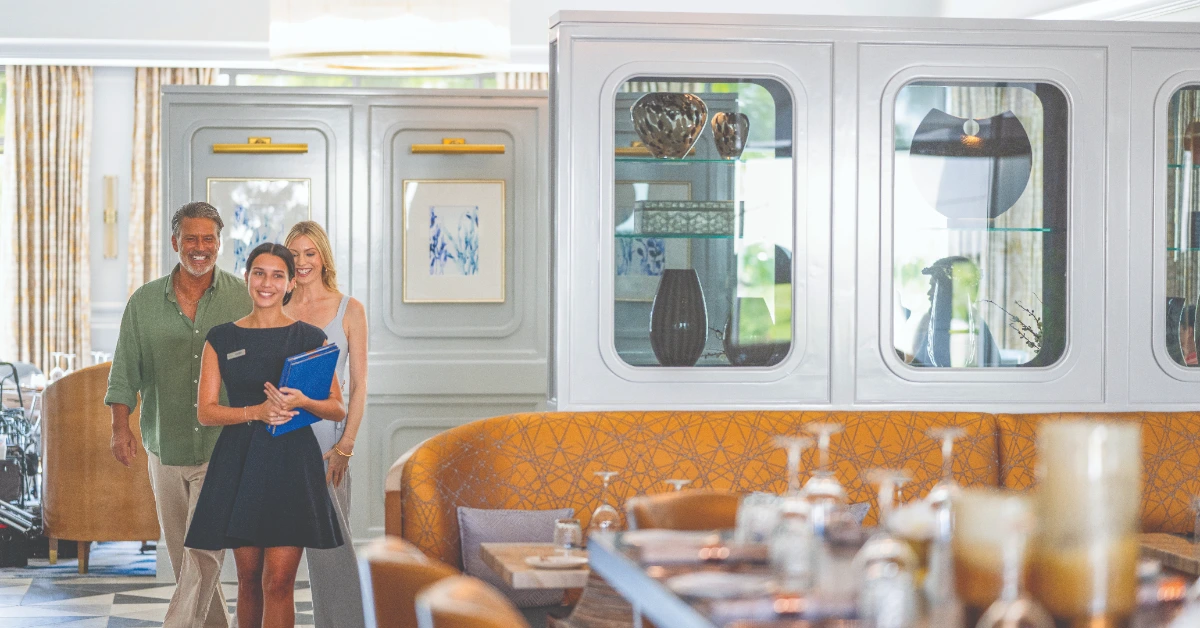
At established private clubs, exceptional service often comes from years of familiarity. Long-tenured employees remember members’ preferences, family traditions and personal routines, creating a level of recognition that makes each visit feel effortless. Kolter Urban’s creation of The Harbor Club is bringing a more intentional approach to developing those relationships from the very beginning.
Amy Kolk, who is leading implementation of the residential service experience, has described the objective as “putting the club in the club.” The process begins with owner onboarding, where the service team learns about personal preferences, dietary considerations, recreational interests and other details that help create a more individualized experience.
The greater distinction is how that knowledge translates into anticipatory hospitality. Rather than simply responding to requests, the team can recognize opportunities to make an owner’s experience more enjoyable before a request is made. That might mean coordinating a preferred wellness treatment, preparing for a favorite waterfront activity or arranging a private culinary experience tailored to an owner’s interests.
This approach is particularly relevant in a residential club where owners may divide their time among multiple homes. Maintaining personal relationships and continuity of service allows members to return to an environment where their preferences are already understood.
For private club operators, the broader opportunity extends beyond individualized attention. When thoughtfully applied, that same understanding of members can inform programming, encourage introductions among residents with shared interests and create experiences that bring the community together. In that sense, anticipatory hospitality becomes more than a service philosophy. It becomes an important part of developing a distinctive and enduring club culture.
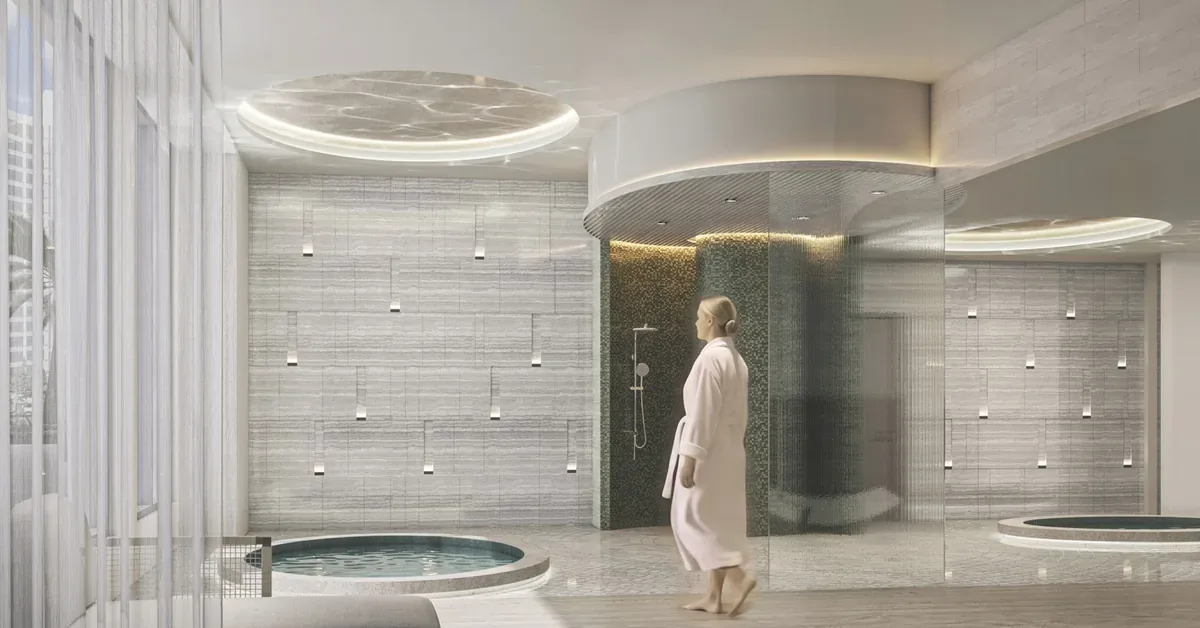
Programming Gives the Space Its Meaning
The Harbor Club’s planned amenities and services program is extensive: fitness and private training areas, a wellness center with treatment rooms, hot and cold vitality plunge pools, saunas and steam rooms, sports and social spaces, waterfront recreation and a private food-and-beverage program that can extend from club spaces to individual residences.
For club leaders, the important question is not how many facilities appear on that list. It is how often those spaces give members a reason to participate together.
A golf simulator can be more than an individual amenity if programming turns it into tournaments or watch parties. Kayaks, paddleboards and bicycles can support organized outings. Training and treatment spaces can serve individual wellness needs, while dining can move between everyday use, private entertaining and club gatherings.
The distinction is operational. Facilities provide capacity. Programming creates participation.
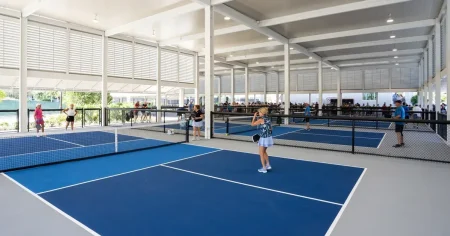
The Harbor Club’s concierge and activities model is intended to support that activation, while future phases are planned to expand the program with additional fitness offerings, indoor pickleball, children’s spaces and waterfront social environments.
That approach also aligns with a wider change in branded residential development. Knight Frank’s 2026 Global Branded Residence Survey tracks nearly 1,800 live and pipeline schemes across 90 countries and describes the growing influence of hospitality-led service, wellness and lifestyle programming. Its research on wellness in branded residences similarly points toward wellness becoming part of daily living rather than a standalone amenity.
For a private club, the principle is comparable. A space becomes valuable when members build it into their lives.
The Real Test Begins When Owners Arrive
The Harbor Club is not a model every private club can or should replicate. Membership is tied to ownership. Its service model is shaped by a global hospitality brand. Its waterfront setting supports an activity mix very different from that of a golf-centered or member-elected club. Those differences are what make the project useful to examine.
The residence establishes the ownership relationship. The club creates a shared environment beyond the front door. The hospitality brand supplies an operating approach built around service and recognition. The success of the model will depend on how effectively those pieces work together once residents begin using them.
With the first residential tower scheduled for delivery in the fourth quarter of 2026, that test is approaching. The most meaningful measure will not be how impressive the facilities appear when they open.
It will be whether a membership created through homeownership can develop into a genuine club community.