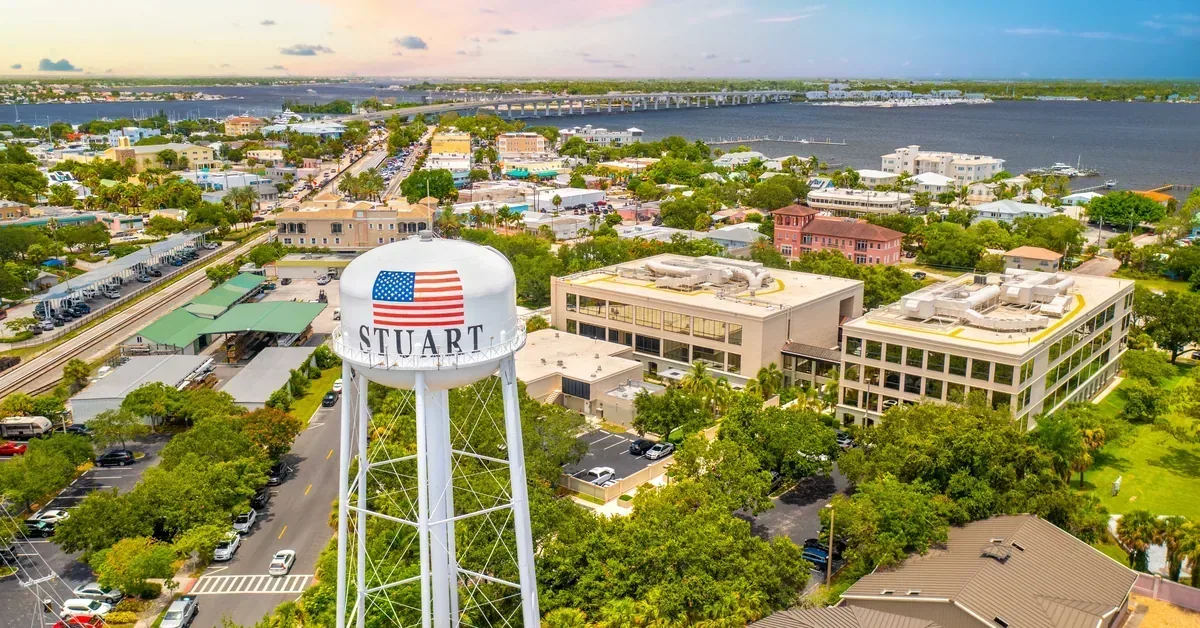
One national ranking can create attention. Repeating that recognition for four consecutive years says more about the place behind it. Stuart, Florida, has again been named among USA TODAY’s 10Best Coastal Small Towns in America, extending a run that includes the No. 1 position in the 2024 Best Coastal Small Town ranking.
That consistency is the starting point of Sailfish Point’s August 20, 2026 feature on Stuart. The original story does not attribute the city’s appeal to a single beach, restaurant or event. Instead, it points to the way downtown activity, arts and culture, sportfishing, waterways and recurring traditions reinforce one another across the Treasure Coast.
For a private club community, that surrounding destination matters. Members and property owners do not experience a club address in isolation; the quality and character of the wider market become part of the value of returning to the community. Stuart’s four-year recognition streak is therefore useful not simply as an accolade, but as evidence that the larger setting continues to hold national relevance.
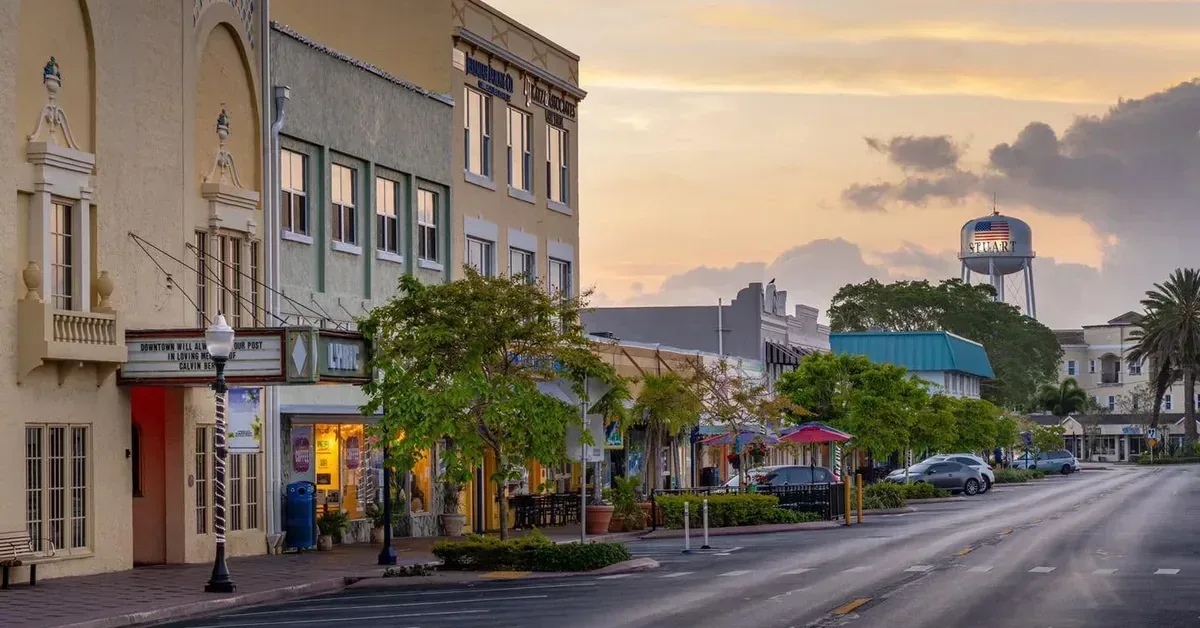
Photo Credit: Steven Martine
Downtown Stuart Gives the Ranking a Day-to-Day Foundation
Historic Downtown Stuart provides much of the everyday substance behind the coastal-town recognition. The district traces its roots to the late 1800s, when pineapple farming and the railroad helped shape the community. Today, that history remains visible within a walkable downtown of locally owned restaurants, shops, galleries, cultural venues, events and waterfront spaces.
The weekly calendar makes the point especially well. Market on Main brings growers, artists, crafters and other creators to Flagler Park on Sundays. By afternoon, Rock’n Riverwalk shifts the activity toward the waterfront with free live music. In between, residents and visitors can move through independent businesses, walk near the river or spend time at the Stuart Heritage Museum.
The local dining scene extends that rhythm into the evening. The Gafford serves seafood, steaks and seasonal chef specials on Flagler Avenue. The Black Marlin, open since 1993, occupies the former site of Stuart’s oldest tavern, a location that served the community under earlier names including Dirr’s Bar, Horseshoe Bar and Jerry’s Bar. Sailor’s Return brings the setting back to the water with views across Sunset Bay Marina.
For private club communities nearby, this type of established downtown adds a layer that amenities inside the gates cannot replicate. It gives members a broader local routine while preserving a strong sense of place outside the club itself.
Arts and Culture Broaden the Coastal Story
Stuart’s identity is also reinforced by an arts and entertainment scene that keeps the city from being defined only by the water. Just south of downtown, The Creek District centers galleries, creative businesses, public art and local events around Colorado Avenue and the surrounding streets.
On the first Friday of select months, First Friday Art Walks bring artists and artisans together with live music and local businesses. MartinArts, Martin County’s local arts agency, operates from the historic Courthouse Cultural Center and presents rotating exhibitions, programs and events. Each February, ArtsFest expands that cultural presence into Memorial Park with visual art, music and performances.
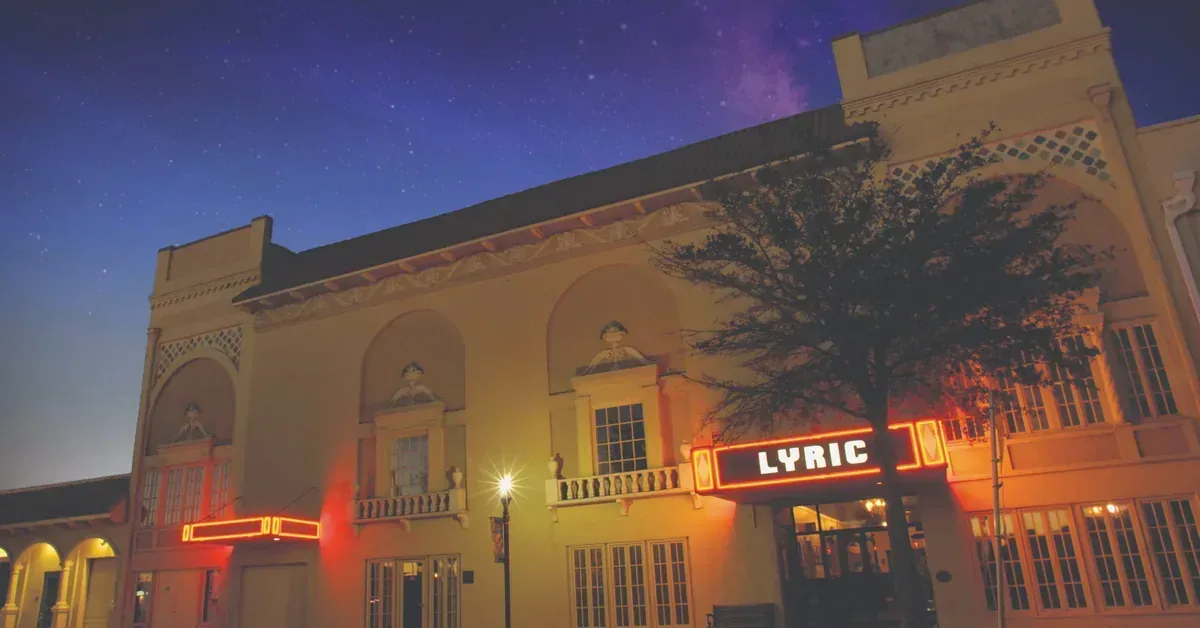
The Lyric Theatre gives downtown a year-round performance anchor through concerts, comedy and other live events. On Hutchinson Island, the Elliott Museum adds collections and programming focused on automobiles, baseball, inventions, art and regional history. Together, these institutions help give Stuart a cultural calendar that works independently of boating conditions or beach weather.
The original feature also notes that lectures, workshops and special events give the Elliott Museum a recurring role in the local calendar rather than making it a one-time attraction. That distinction is consistent with the larger Stuart story: the city’s cultural value comes from places that remain active and useful across repeated visits.
Sportfishing Still Anchors Stuart’s Identity
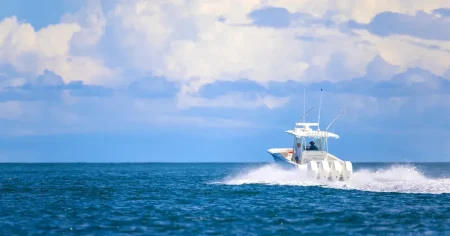
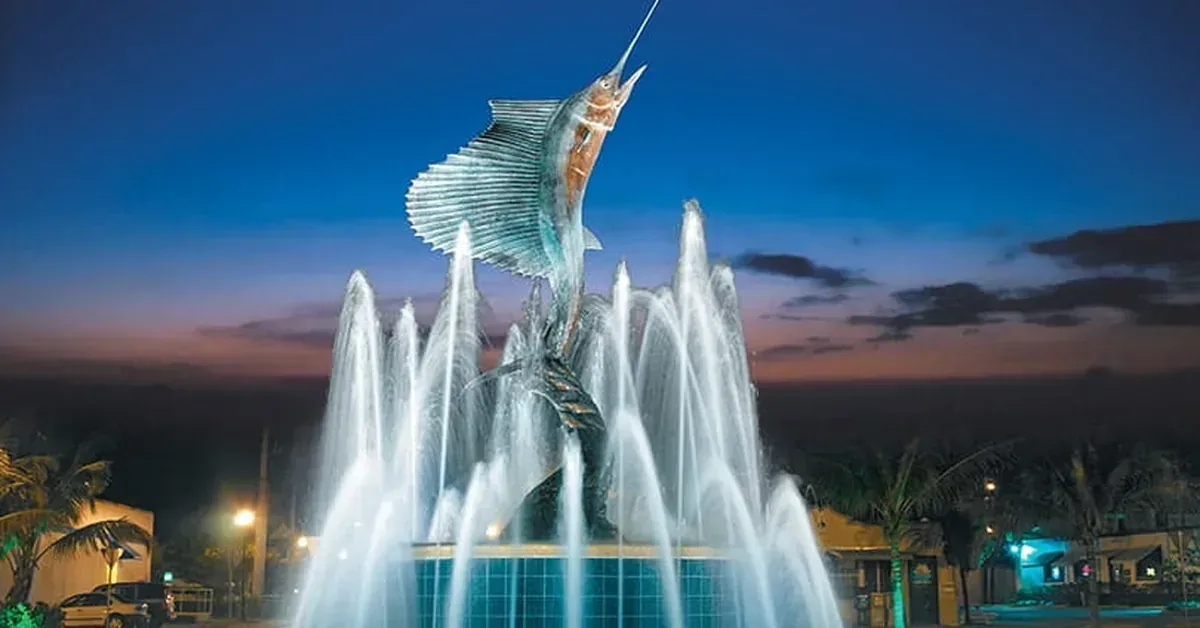
The “Sailfish Capital of the World” identity is more than a promotional nickname. In January 1938, Stuart News editor Ernie Lyons invited prominent sportswriters to fish the area with the local Whiticar fleet. A remarkable stretch of sailfish activity helped spread Stuart’s reputation through sportfishing circles, and in 1957 the city formally adopted the moniker.
That history continues to shape the modern Treasure Coast. Offshore and inshore waters support sailfish, marlin, tarpon, snook, redfish, grouper and many other species. Martin County promotes more than 800 fish species and 100 artificial reef systems across the region, giving the fishing story both historical depth and present-day scale.
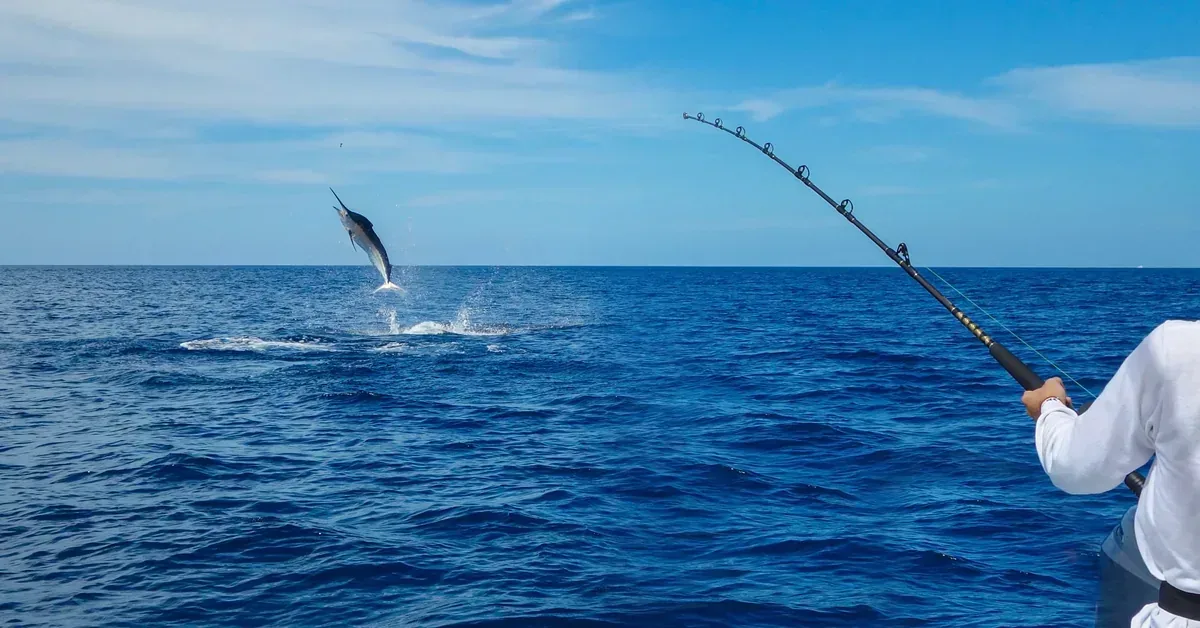
Events keep that heritage active. The Pirate’s Cove Sailfish Classic draws competitive anglers and serves as the first tournament in the Treasure Coast Sailfish Championship series. Each winter, the Stuart Boat Show brings hundreds of boats and more than 205 marine exhibitors to the area. Charter fleets, marinas, tackle shops, tournaments and sailfish imagery make the city’s relationship with the water visible well beyond a single event.
Water Shapes the Daily Geography
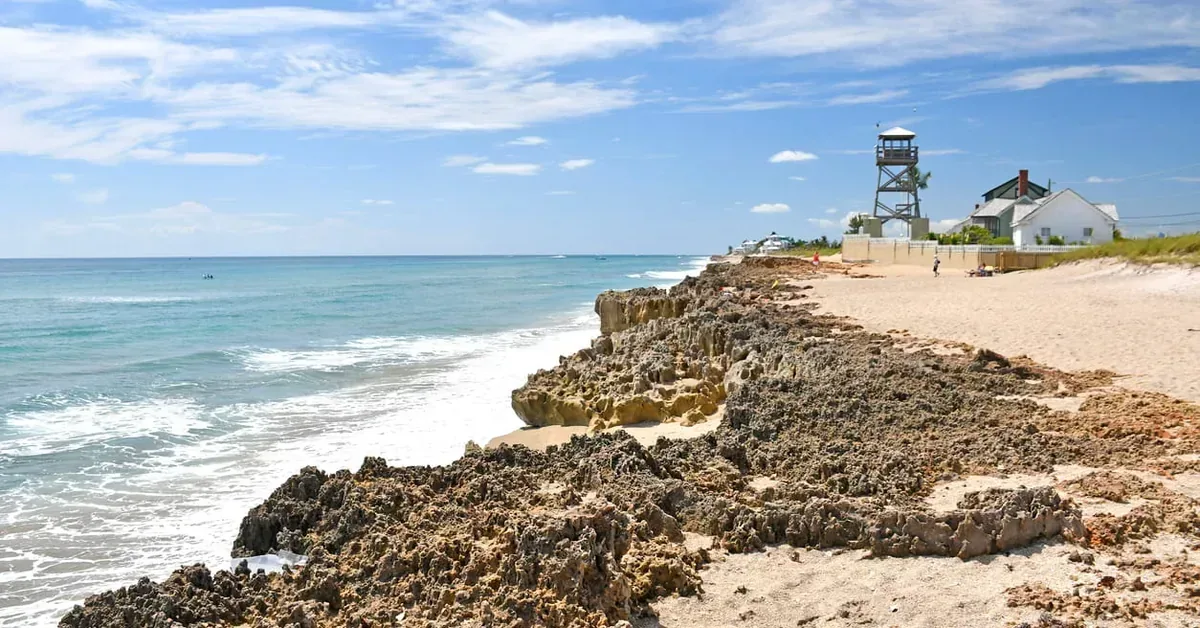
The St. Lucie River, Indian River Lagoon and Atlantic Ocean create several different ways to experience Stuart’s coastal setting. At the Florida Oceanographic Coastal Center on Hutchinson Island, aquariums, marine-life encounters, nature trails and educational programming connect the regional landscape with the ecosystems offshore. The source article notes encounters and exhibits involving stingrays, sea turtles, sharks and gamefish.
The beaches of Hutchinson Island provide another point of access, while the St. Lucie River becomes a backdrop for walking, dining and community gatherings closer to downtown. That variety is important: the water is not confined to boating and fishing. It shapes recreation, education, dining and the visual character of the city itself.
That proximity allows the day to change direction without leaving the larger Stuart area. Coffee and shopping can give way to time along the river, an afternoon at the beach or a museum visit, followed by dinner overlooking the water. The significance is not any one itinerary, but the number of coastal and cultural experiences that sit within reach of one another.
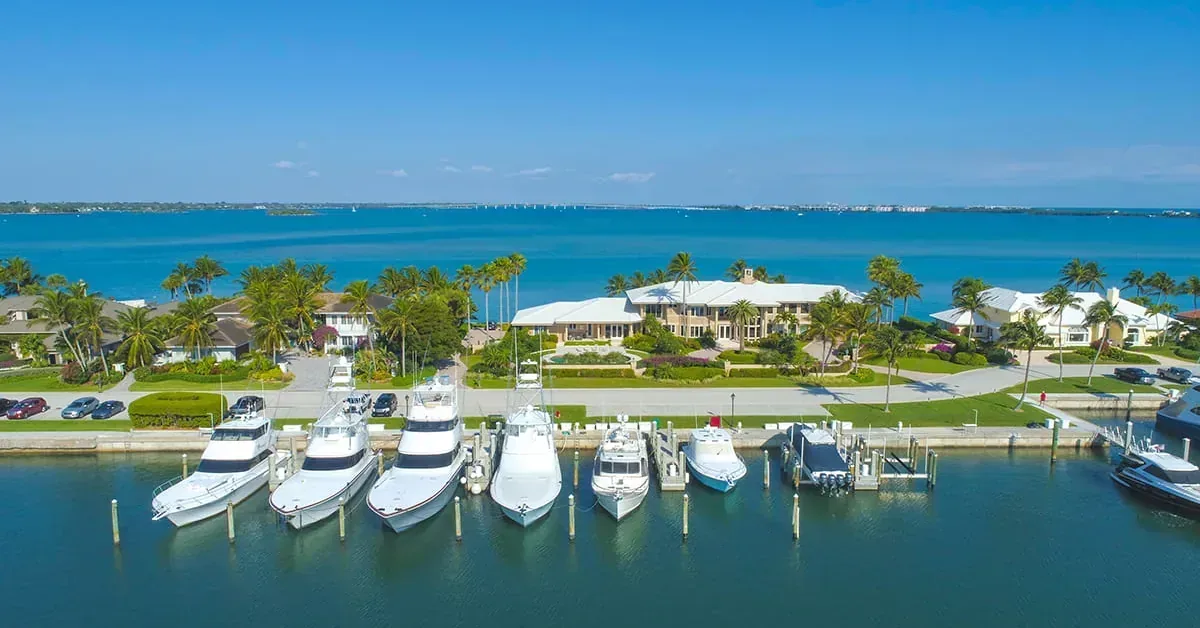
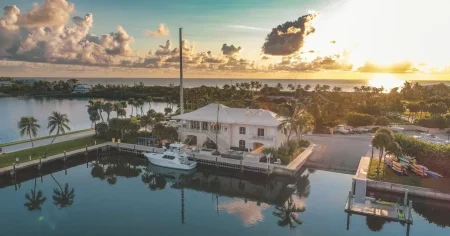
At Sailfish Point, that relationship becomes especially direct. The private marina sits at the entrance to the St. Lucie Inlet, placing nearby Atlantic waters close to the community for boating and fishing. The geographic connection between club, marina and open water is one of the clearest examples of how Stuart’s wider coastal identity carries into a private-club environment.
Recurring Traditions Give the Town Staying Power
National recognition is easier to sustain when a destination gives people reasons to return throughout the year. In Stuart, some of those reasons are weekly: Market on Main, Rock’n Riverwalk and changing downtown activity. Others arrive on a recurring calendar through art walks, gallery exhibitions, museum programs, fishing tournaments and The Lyric Theatre’s performance schedule.
Larger events add another layer. The Stuart Air Show brings multi-day aviation programming to Witham Field, beginning with Friday evening activity and continuing through full show days on Saturday and Sunday. ArtsFest, the Stuart Boat Show and seasonal community programming create additional points of interest across the year.
That repeatability helps explain why four consecutive years of recognition carry more weight than a single award. Stuart’s appeal is supported by ordinary routines and recurring traditions as much as by signature attractions.
Sailfish Point Connects Club Life to the Stuart Story
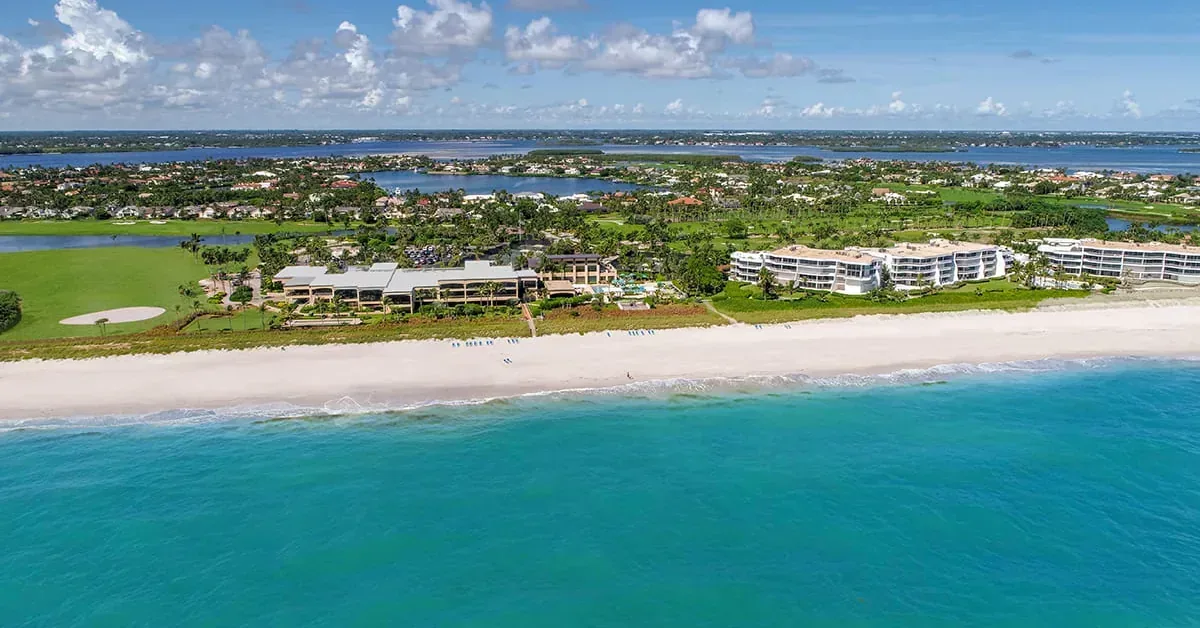
At the southern tip of Hutchinson Island, Sailfish Point sits where the Atlantic Ocean, St. Lucie Inlet and Indian River Lagoon converge. Water defines three sides of the community, creating a setting that is directly connected to the geography shaping Stuart’s broader coastal reputation.
The residential mix includes oceanfront estates, waterfront homes, condominiums, townhomes and villas. A private Atlantic beach, a Jack Nicklaus Signature golf course and the marina bring several of the area’s defining outdoor experiences into the community itself. Days can move from the beach to the water, from golf to dining at the Club, without disconnecting from the larger Stuart setting.
That relationship between place, club life and real estate is also visible in Cotton & Company’s work with Sailfish Point. The assignment has focused on communicating the community as a complete lifestyle rather than as a collection of individual properties. More broadly, Cotton’s framework for real estate and private club integration reflects the same principle: in a residential club community, the home, the club and the surrounding destination are often evaluated together.
For The Private Club Report, that is the larger significance of Stuart’s recognition. Destination reputation does not replace the member experience, but it can strengthen the context around it. A private club situated within a town that continues to earn national attention benefits from a broader story that is already understood beyond the community itself.
The Recognition Is Only the Starting Point
Four straight years among America’s recognized coastal small towns may introduce more people to Stuart, but the ranking alone does not create staying power. The deeper case rests on the parts that repeat: historic streets, locally rooted dining, arts and entertainment, a long sportfishing tradition, beaches, waterways and events that give the calendar structure.
Sailfish Point brings that larger Stuart story into a private waterfront club setting of its own. Readers can explore Sailfish Point for current community information or review the official FAQ for details about the club lifestyle, marina and real estate. Sailfish Point Realty is located at 1648 S.E. Sailfish Point Blvd., Stuart, FL 34996, and can be reached at 772-225-6200.