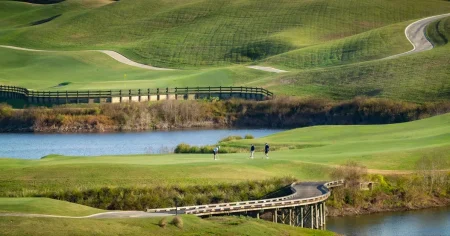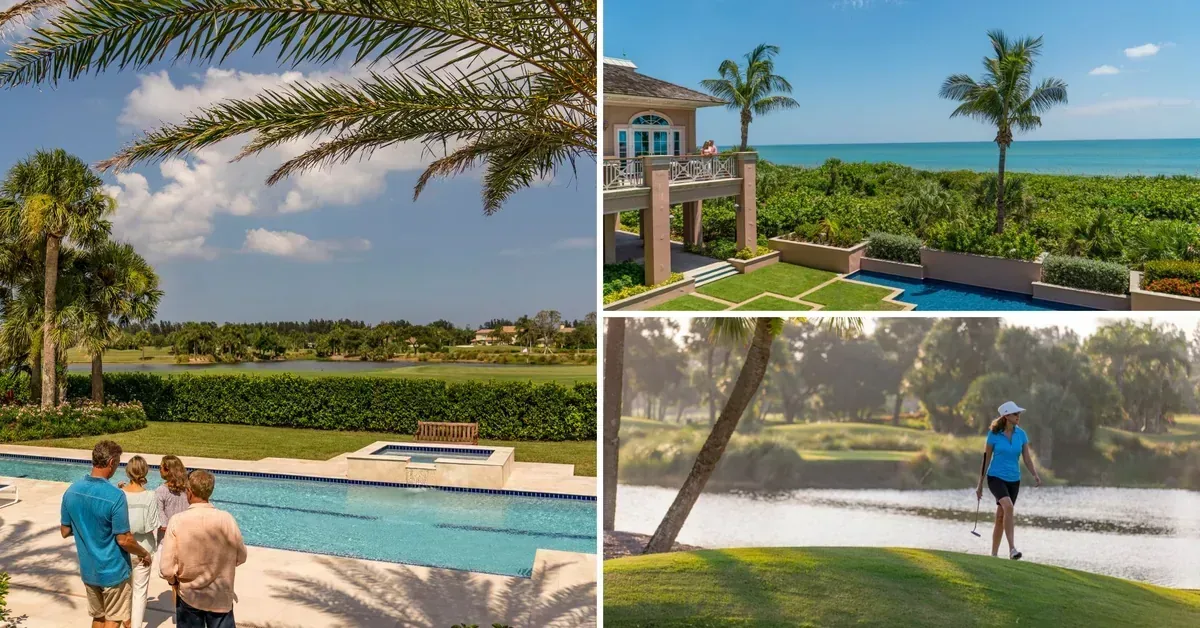
Private club communities can renovate residences, expand clubhouses and refresh amenities. What they cannot recreate once it is gone is the land that was intentionally left open. Orchid Island’s original article on preserved open space makes that distinction the starting point for understanding why preservation can become a defining form of long-term value.
At Orchid Island, open space is not treated as leftover scenery around the residential plan. It helps organize the community itself, shaping the relationship among homes, golf, water, Club amenities and the natural landscape. That role becomes especially significant in a coastal setting where the surrounding geography is finite and the community is already complete.
With 375 residences, direct Atlantic beachfront, access to the Indian River Lagoon, an Arnold Palmer-designed championship golf course, mature native landscapes, walking paths and intact natural areas, Orchid Island presents a model in which the setting is part of what owners are choosing. The value proposition extends beyond the residence to the environment that surrounds it and the confidence that the community’s essential character has already been established.
Preservation Shapes the Plan, Not Just the View
The most enduring private club communities are often defined as much by what was protected as by what was developed. At Orchid Island, preserved land helps determine how residences relate to fairways, waterways, Club spaces and one another, creating a residential environment with meaningful separation, broad views and a sense of permanence.
That planning decision affects more than appearance. It influences circulation through the community, the way homes sit within the landscape and the degree to which the setting remains recognizable over time. A residence can be updated; the surrounding land plan is far less flexible once density has been added or natural areas have disappeared.
For buyers comparing private club communities, that distinction changes the evaluation. The home is only one part of the decision. The larger question is whether the community around it supports the same sense of place, privacy and continuity that attracted the buyer in the first place.
A Complete Community Removes the Unknowns
Active development can require buyers to consider future phases, construction activity, additional density or changes to surrounding land. Orchid Island presents a different proposition because those questions have already been answered.
The community is fully built out. Its residential scale is established, the Club amenities are in place, the golf course and landscape have matured, and the relationship among residences, beach, waterways, intact land and Club life has been shaped through decades of stewardship.
That completeness creates a form of certainty that is increasingly meaningful in a long-term ownership decision. What a buyer sees today is not a temporary stage of development. The spacing between homes, mature surroundings, established amenities and absence of future development within the community are part of Orchid Island’s existing character rather than promises about what may come later.
Some Geography Cannot Be Duplicated
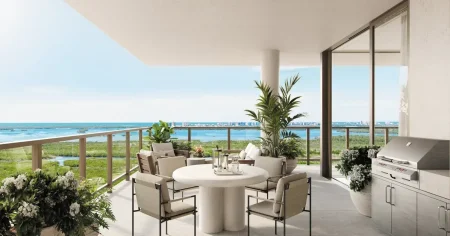
Open space becomes more consequential when its location is difficult to reproduce. Orchid Island occupies a rare ocean-to-river barrier island setting between the Atlantic Ocean and the Indian River Lagoon, bringing private beach access, sheltered inland waterways, coastal breezes, native habitat and a sense of separation into the same community.
Along Florida’s east coast, the combination is inherently constrained by geography. Oceanfront land is finite, barrier island development is limited, and coastal regulation and land scarcity make it increasingly difficult to assemble a comparable balance of residences, golf, beach access, mature landscape and low-density planning.
That is why the surrounding setting matters differently from an amenity that can be remodeled or replaced. A home can evolve over time. The geography around it cannot be reconstructed. At Orchid Island, that physical limitation is central to the community’s lasting distinction.
Stewardship Keeps the Landscape Working
Preserved land does not remain meaningful simply because it was left undeveloped. It requires governance, maintenance and a long-term commitment to the natural systems that give the community its character.
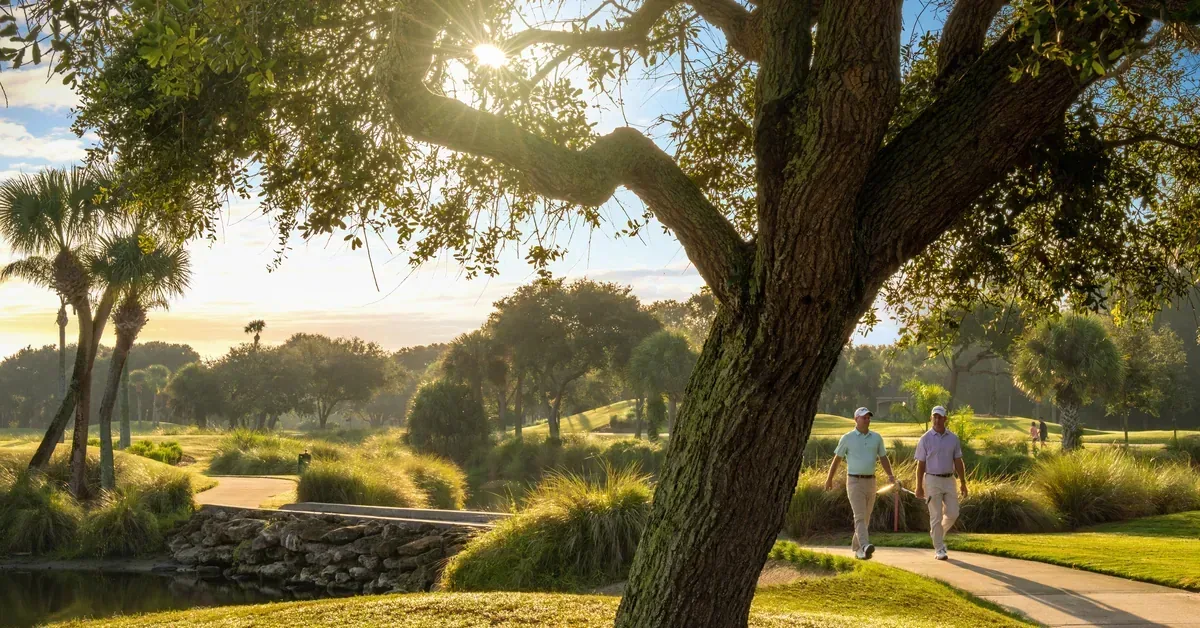
At Orchid Island, that commitment is reflected in its Certified Audubon Sanctuary designation, an Audubon-certified golf course, undeveloped natural areas, native landscapes, walking paths, wildlife corridors and the ongoing care of lakes and waterways. These elements allow the community to function as more than a landscaped residential setting.
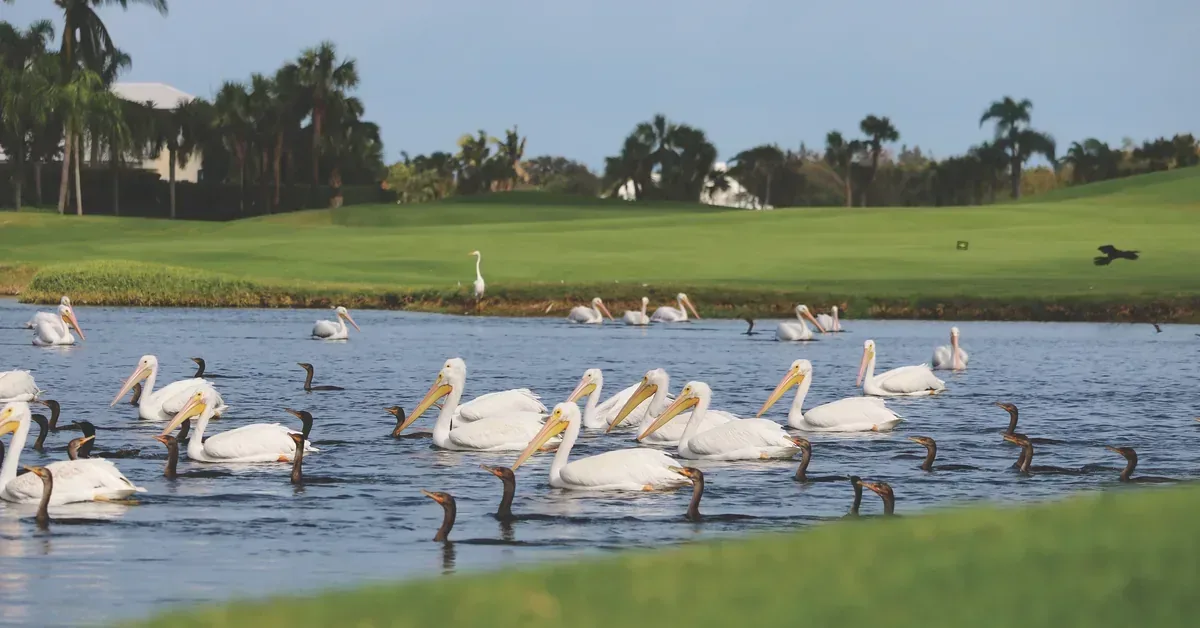
The annual return of white pelicans provides a quiet example. Their presence reinforces that the landscape continues to operate as coastal habitat, not merely as visual background. The same stewardship is felt in smaller daily moments: a view across the fairway, a walk through native surroundings, the space between residences and the transition from home to Club.
That relationship between landscape and identity also helps explain why Orchid Island’s broader positioning is rooted in its ocean-to-river setting and established sense of place rather than in a single amenity or short-term development story.
Open Space Becomes Part of the Daily Rhythm
Preservation carries the most weight when residents interact with it every day. At Orchid Island, the landscape is woven into golf, beach access, walking, water views and the movement between residences and Club amenities.
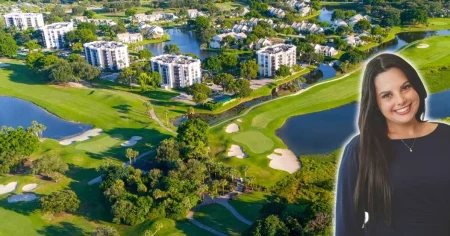
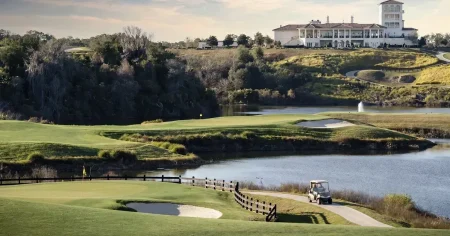
The Arnold Palmer-designed championship golf course contributes to the spatial openness of the community through its fairways, lakes, native areas and routing. Private beach access creates a direct relationship with the Atlantic, while the Indian River Lagoon and inland waterways add a second coastal dimension.
Together, those environments create a daily pattern shaped by golf, beach, nature and outdoor recreation. Residents are not simply looking at the preserved space from a distance. They move through it, play within it and experience it as part of the Club’s everyday life. That is what turns preservation from a planning principle into a lived benefit.
Buyers Notice What Is Already Settled
When buyers compare private club communities, the meaningful differences often appear beyond architecture, interior finishes and amenity lists. The larger land plan, the maturity of the landscape and the stability of the surrounding environment can influence how a community feels today and how confidently that character can be expected to endure.
At Orchid Island, the distinction lies in what is already established: a complete community, deliberate separation among residences, mature natural surroundings and a long-term approach to environmental care. Open space is not decorative landscaping added around the edges. It supports recreation, habitat, views and the overall sense of calm within the community.
For a long-term ownership decision, that permanence can matter as much as a renovated kitchen or a new Club amenity. The residence may change hands and evolve over time, but the surrounding community plan is what gives those individual properties their broader context.
The Value Extends Beyond the Property Line
Choosing a home within a private club community is ultimately a decision about both the residence and the environment around it. At Orchid Island, owners become part of a mature, member-owned Club within an intact barrier island setting whose defining physical character has already been established.
There is no remaining land for expansion within the community, and the qualities that shape daily life today have been maintained through long-term planning and stewardship. In a coastal market where growth continues to reshape many destinations, the absence of future internal development becomes part of the value story rather than an incidental detail.
That broader interpretation is also central to luxury real estate marketing: the market value of a private club residence is influenced not only by the property itself, but by how clearly the surrounding lifestyle, setting and long-term community character are understood.
The enduring lesson from Orchid Island is simple. Luxury in a private club community is not measured only by what has been built. Sometimes its rarest and most lasting form is the space that was deliberately left untouched.