For seasonal residents, choosing a Florida golf community is less about collecting amenities than understanding how quickly those amenities become part of a routine. A limited season puts more pressure on the details: the course has to invite repeat play, the club has to create reasons to stay involved, the location has to make arrivals and departures manageable, and the residence has to support the way owners actually use it.
That is the framework behind IronCrest’s original guide for seasonal residents, which uses the emerging private club community in Ocala as a case study in how golf, club culture, location and housing can work together. For The Private Club Report audience, the broader point is useful: a seasonal home becomes more valuable to daily life when the club around it makes participation easy from the moment an owner returns.
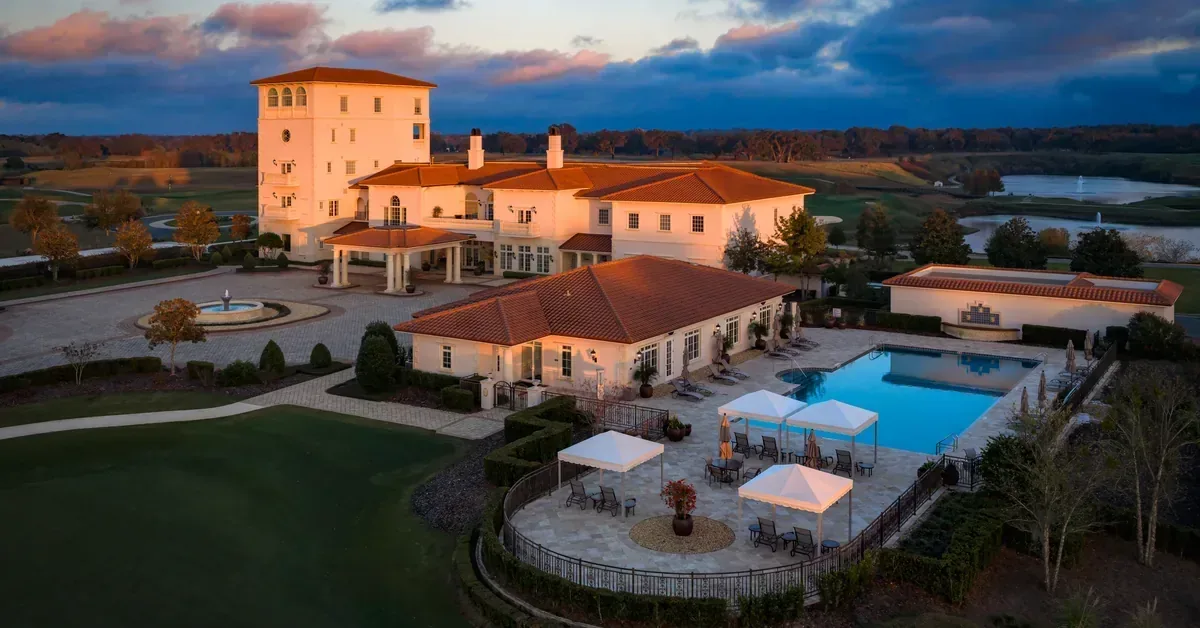
Club Culture Should Be Visible From Day One
The Club at Iron Lake gives IronCrest an unusual starting point because the social and recreational core is already operating. Its 37,000-square-foot clubhouse overlooks Iron Lake and combines dining, gathering areas and indoor-outdoor spaces with a calendar that includes tournaments, leagues, social events and private gatherings.
For seasonal residents, that matters because club culture is difficult to evaluate from a rendering. An established environment lets a prospective owner see how members use the property, how active the calendar feels and whether the club has enough variety to support more than a weekly tee time. It also reinforces a principle found throughout Cotton & Company’s private club marketing guidance: the lifestyle proposition is strongest when the club can be understood as a complete daily environment rather than a collection of individual amenities.
The Course Is Only Part of the Decision
Golf may lead the search, but the source article makes a broader point about how seasonal owners actually spend their time. At The Club at Iron Lake, the private club offering extends to tennis, pickleball, clubhouse dining, member programming, tournaments, leagues and social gatherings.
That range creates different ways to use the same season. One member may organize most days around golf, while another may divide time among racquet sports, dining, events and time with guests. The more useful question is not whether a community has enough amenities on paper, but whether those amenities make it easy to build a repeatable rhythm while in residence.
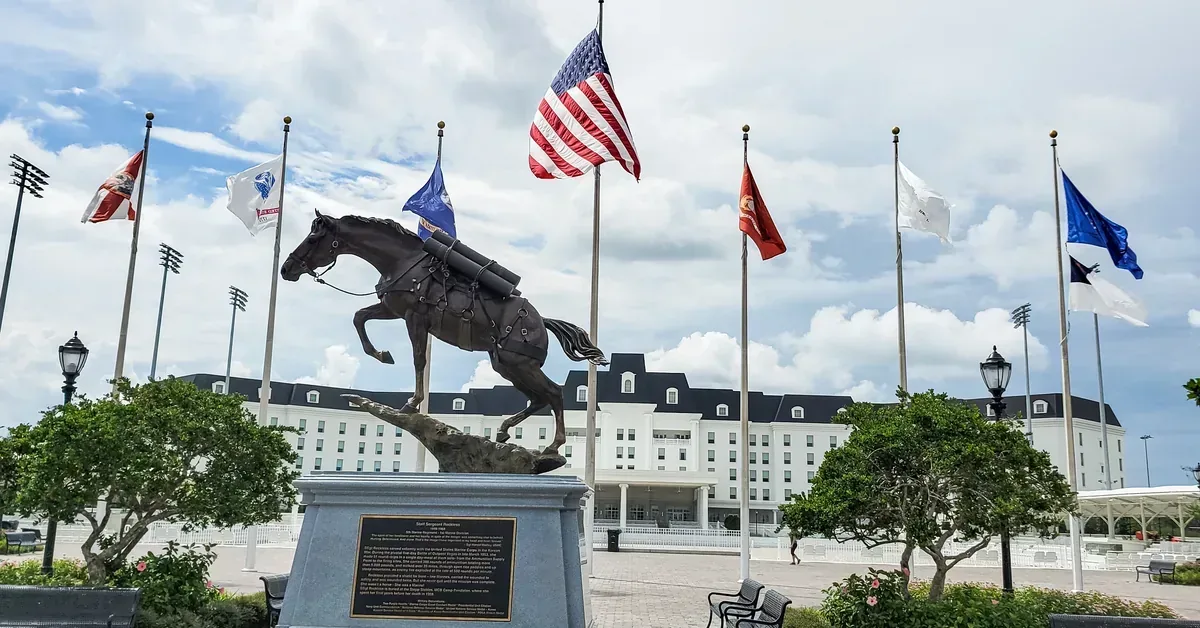
Location Shapes the Season as Much as Amenities
IronCrest also illustrates why location should be evaluated as part of the club experience. Ocala brings together open land, a nationally recognized equestrian identity and the growing influence of the World Equestrian Center. The setting gives seasonal residents access to a broader regional lifestyle rather than asking the golf community to carry the entire experience on its own.
The community sits within the Orlando-Gainesville corridor. Ocala International Airport provides nearby private aviation access, while Gainesville Regional Airport is 18 miles from the property. Orlando International Airport and Tampa International Airport provide additional commercial and international connectivity for longer-distance travel and guest arrivals.
For a seasonal owner, those connections affect how practical a community feels over multiple years of use. Travel flexibility, regional services and access to destinations beyond the gates can matter just as much as the quality of the course once returning to the same place becomes an annual routine.
The Residence Should Support the Way Owners Return
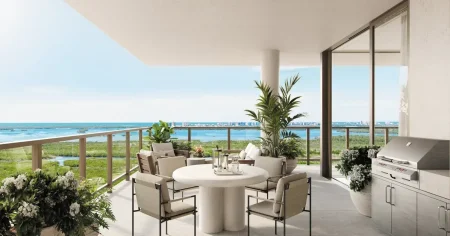
The residential side of IronCrest is beginning to take shape around that existing club foundation. The source article says the recently approved Phase 1 plat includes the first 240 residences, with townhomes, villas and future estate opportunities planned as multiple pathways into the community. Townhomes are already under construction and are expected to be completed in early 2027.
That variety is relevant to seasonal ownership because different residence types support different patterns of use. Some owners may place more value on lower-maintenance living and travel flexibility, while others may want additional space for longer stays or guests. The important relationship is between the home and the club: the residence should make the lifestyle easier to use, not compete with it.
That alignment between product, lifestyle and buyer priorities also reflects the broader approach described in Cotton & Company’s real estate marketing capabilities, where community positioning is built around how buyers evaluate the entire ownership proposition rather than the residence in isolation.
Craig Phillips, one of the founding members of IronCrest and The Club at Iron Lake, summarized the advantage simply: “People can already come out here and feel what makes the place special.” The residential program gives prospective owners a way to connect that established club setting with a home inside the community.
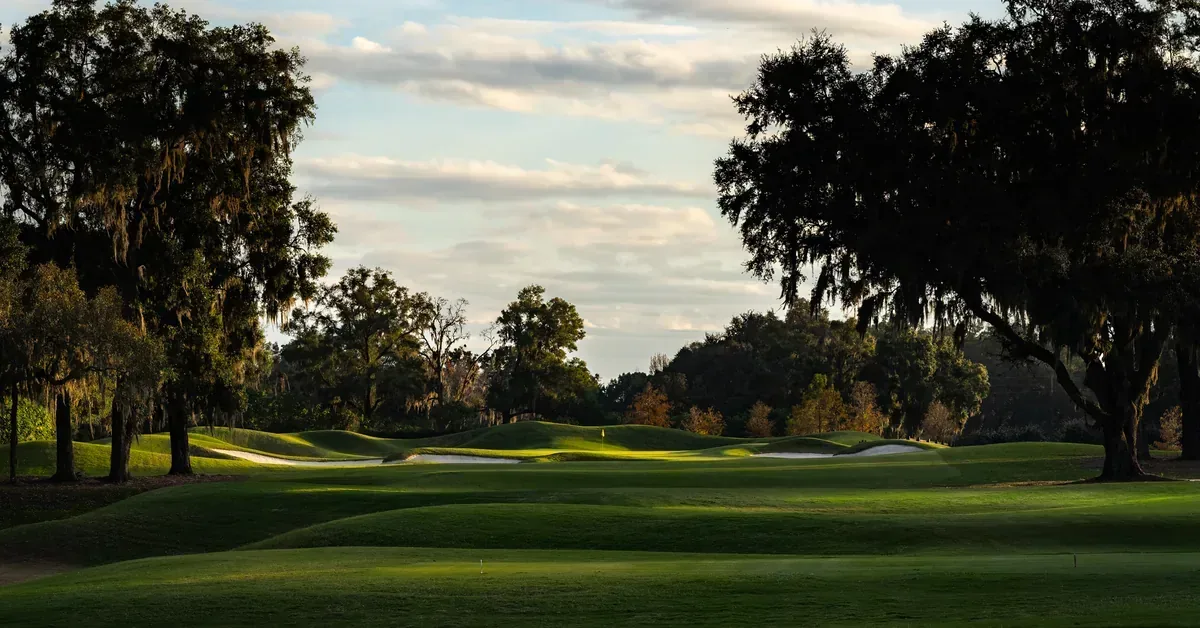
Memorable Golf Still Has to Invite Repeat Play
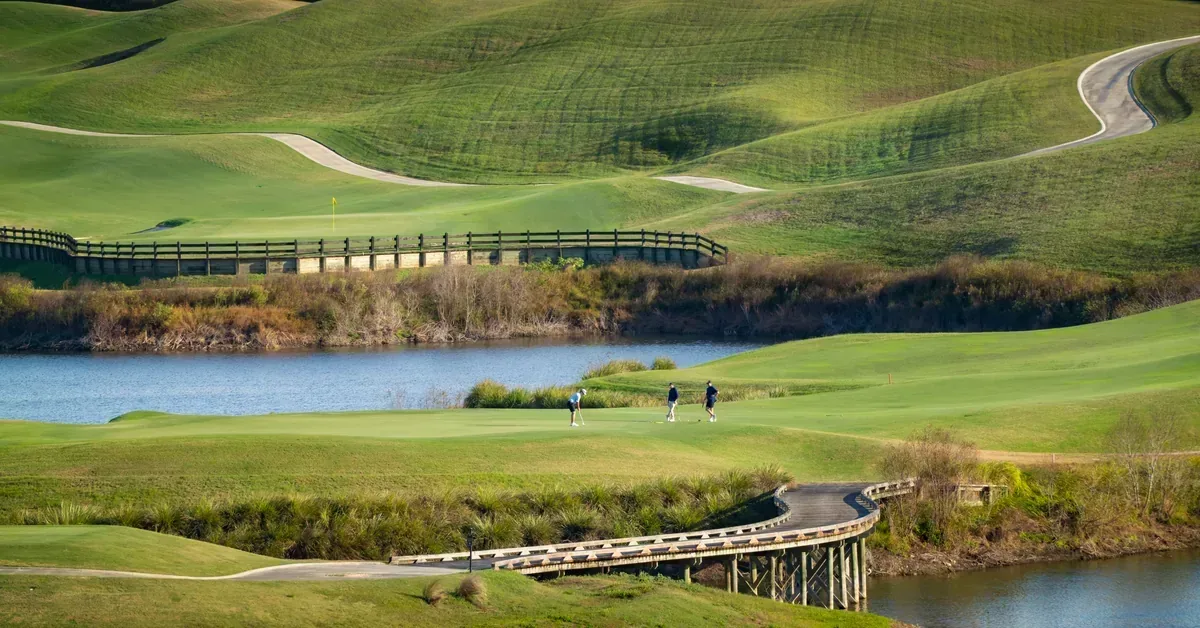
A seasonal golf community still has to begin with golf worth returning to. The Club at Iron Lake is routed through spring-fed limestone quarries, using elevation changes, exposed quarry edges, water features and natural landforms to create a look and playing character that differs from the flatter layouts commonly associated with Florida.
The course was recognized by Golf Digest as one of America’s Best New Courses when it opened. The par-72 layout offers multiple tee options, while a full driving range, putting greens and short-game areas support practice, instruction and organized play. Member tournaments and leagues add another layer for residents who want competition or a regular golf calendar.
Golf professional Chelsea Addy captured the balance in the source article: “It’s memorable, but it’s also a course members can enjoy playing every day.” For a seasonal resident, that combination is significant. Novelty may create the first impression, but repeatability is what keeps a course relevant across an entire season.
Belonging Should Extend Beyond the Scorecard
The strongest seasonal communities create more than one point of entry into club life. Golf can remain central without becoming the only reason to participate. Dining, racquet sports, events, leagues and informal gathering spaces give members ways to stay connected on days when they are not playing.
That broader definition of belonging is especially important when the community is also tied to residential ownership. A club that supports different daily routines can make it easier for a household and its guests to find their own patterns of participation without requiring every day to look the same.
It is also why Cotton & Company’s private club and real estate FAQ emphasizes the connection between membership value, lifestyle positioning and the real estate story. In a residential club community, those elements are most persuasive when they reinforce one another.
The Right Choice Makes Returning Easy
Seasonal ownership ultimately depends on return value: not simply whether a community is impressive on a first visit, but whether it becomes easy to re-enter the routine year after year. The course, club, residence and location all contribute to that feeling.
IronCrest brings those factors together through The Club at Iron Lake, distinctive quarry golf, an active club environment, new residential options and an Ocala location connected to Central Florida’s equestrian and regional growth. The community is still introducing its residential side, but the lifestyle foundation is already visible.
For seasonal residents comparing Florida golf communities, that may be the most useful test of all: choose the place where the golf keeps earning another round, the club gives shape to the week, the home supports the way you use it and returning feels natural rather than complicated.